Key takeaways: what to know in 1 minute
- Sustainable living micro-habits are tiny, repeatable actions that reduce environmental impact with low friction. Implementing 3–5 prioritized micro-habits yields measurable savings in CO2, water and money.
- Prioritize by impact vs effort: choose at least one high-impact, one low-effort, and one habit that fits the workday. This balances returns and adherence.
- Zero waste micro habits step by step work best when combined with checklists, reusable swaps and a 30-day habit-stacking plan. Small swaps multiply.
- Adaptable energy saving micro habits for professionals focus on workflow adjustments: device power management, meeting-level defaults and commute choices. Professional routines unlock outsized savings.
- Measurement matters: track simple metrics (kWh, liters, dollars) weekly for 30 days to validate benefits and sustain behavior.
Why sustainable living micro-habits matter now
Concern about personal contribution to climate change and waste is rising. Many adults want practical, low-effort changes rather than large lifestyle overhauls. Sustainable living micro-habits bridge intention and action: small, specific behaviors that stack into measurable outcomes. Evidence from behavior science shows that reducing friction and linking actions to existing routines drives adoption (Tiny Habits).
Multiple authoritative sources quantify benefits of household-level changes. The U.S. EPA provides waste and recycling metrics that demonstrate the cumulative effect of simple swaps (EPA waste facts). The Intergovernmental Panel on Climate Change (IPCC) highlights the urgency of rapid emissions reductions, where citizen-level actions are complementary to systemic change (IPCC AR6).
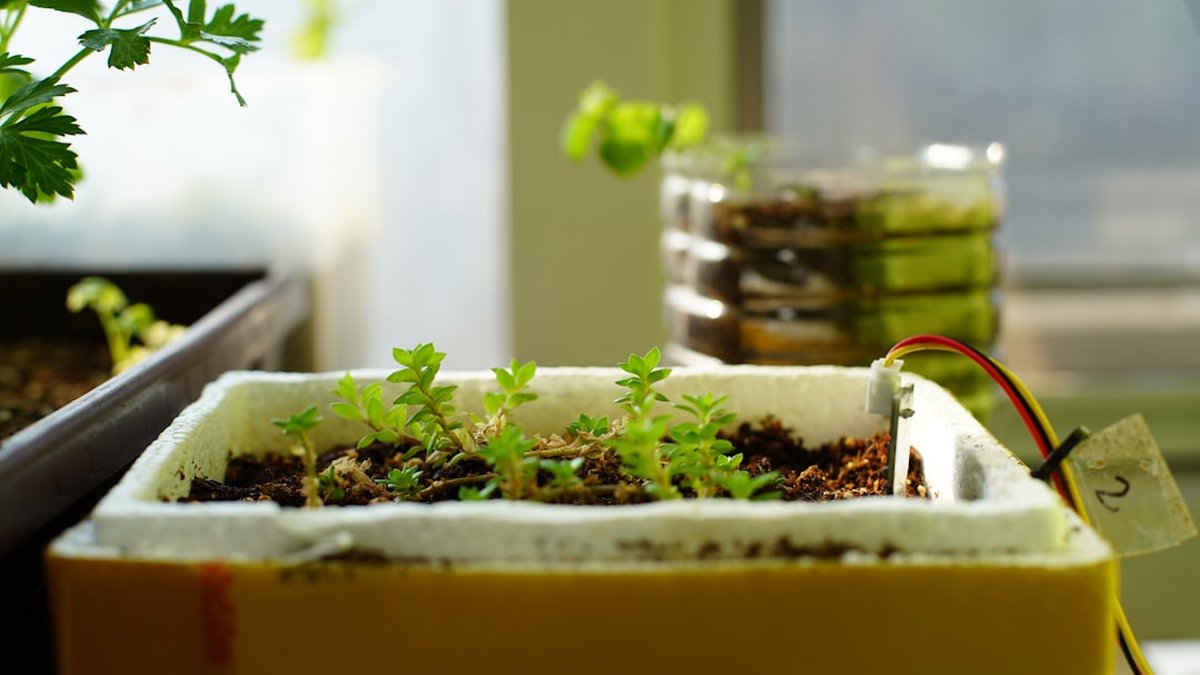
Simple sustainable micro habits guide for beginners
This section acts as a compact starter pack for anyone new to sustainable micro-habits. Each habit listed follows a what → why → how micro-format and includes an estimated annual saving where possible.
Habit selection framework
- What: choose one habit from each category: waste, energy, water, mobility, consumption.
- Why: spreading habits increases resilience and perceived progress.
- How: set a trigger (e.g., after morning coffee) and a micro-goal (e.g., use a reusable cup every day).
Core micro-habits for beginners (examples with impact)
- Use a reusable water bottle daily. Why: reduces single-use plastic. Estimated saving: removes ~150–200 single-use bottles per year per person, ~20–50 kg plastic avoided depending on bottle type (EPA).
- Replace one paper towel roll with a washable cloth. Why: lowers waste and cost. Estimated saving: $30–$60/year.
- Turn off lights when leaving a room and switch to LED bulbs. Why: immediate kWh reduction. Estimated saving: 40–60 kWh per year per bulb, ~$6–$12 saved depending on rates (DOE).
- Shorten showers by 1 minute and install a low-flow showerhead. Why: reduces water and heating energy. Estimated saving: ~500–1,000 gallons per year per person.
How to start without overwhelm
- Pick 2 micro-habits and use habit stacking: attach the new habit to an existing routine (e.g., "after brewing coffee, fill reusable mug").
- Track progress with a simple checklist for 30 days.
- Reward consistency, not perfection. Small wins compound.
Zero waste micro habits step by step
A focused step-by-step path helps move from intention to practice when aiming for zero waste outcomes.
Step 1: audit one area for 3 days
- What to track: disposables used in kitchen, bathroom and commute.
- How: note item, frequency, and replacement possibilities.
Step 2: choose three priority swaps
- Criteria: low cost, high frequency, easy to remember. Examples: reusable grocery bag, reusable coffee cup, beeswax wraps.
Step 3: implement with a replacement rhythm
- Week 1: replace single-use cups and bags. Week 2: swap food storage and produce bags. Week 3: reduce packaging by buying bulk or refill.
Step 4: create a disposal plan for residual waste
- Compost food scraps where possible and recycle responsibly.
- Use local resources: EPA recycling info.
Step 5: measure and iterate
- Track how many items were replaced and estimate packaging weight avoided. Aim for progressive targets: 30% waste reduction in 90 days.
Best low effort reusable swaps for beginners
A curated list of best low effort reusable swaps for beginners prioritizes frequency and low friction.
- Reusable coffee cup: carry it every day or keep one at work.
- Reusable shopping bags: store one near the door or in the car.
- Silicone sandwich bags: replace disposable zipper bags for snacks.
- Metal or bamboo cutlery set: keep in a bag for takeout.
- Bar soap and shampoo bars: minimize plastic bottles.
Each swap should be trialed for 21–30 days to normalize the habit. Low upfront cost and visibility of the benefit (less trash, small cost savings) improve long-term retention.
Adaptable energy saving micro habits for professionals
Professionals often work across spaces (home, office, travel). The following adaptable energy saving micro habits for professionals are designed to integrate into workflows.
Device and workstation habits
- Enable power-saving mode on laptops and monitors. Why: reduces idle energy draw.
- Set monitors to sleep after 5–10 minutes of inactivity.
- Unplug chargers when not in use; use power strips for multi-device shutdown.
Meeting and calendar habits
- Default virtual meeting settings to video off unless necessary; this reduces bandwidth and device energy consumption during calls.
- Schedule one remote workday per week when feasible to reduce commuting emissions.
Travel and commute
- Choose active transport for short trips (walking, cycling) and public transit for commutes when possible.
- When flying is unavoidable, consolidate travel and use direct flights to reduce per-trip emissions.
Office culture nudges
- Add a simple email signature line encouraging low-energy practices (e.g., “Consider whether this email requires a meeting”).
- Use shared templates to default thermostats and lighting in office zones.
How to build adaptable eco micro habits
Building durable habits requires adaptation across life contexts. This section outlines a replicable method for creating resilient routines.
Step A: diagnose context and constraints
- Map daily routines: home morning, commute, workday, evening.
- Identify friction points (e.g., lack of storage for reusables) and remove them.
Step B: design micro-habit experiments
- Use the tiny, trigger, reward model. Tiny = action under 2 minutes; Trigger = existing cue; Reward = immediate positive feedback (e.g., less clutter, small savings).
Step C: iterate with three-week cycles
- Run 21-day micro-experiments, track adherence, and measure one outcome metric (money saved or trash reduced).
- If adherence <70%, reduce friction or change the trigger.
Step D: scale and adapt
- Once stable, expand the habit by 10–20% (e.g., from replacing disposable cups to also refusing plastic straws in restaurants).
Habit durability tactics
- Make the habit visible (place reusables by the door).
- Automate purchases where possible (subscribe to refill services).
- Use social accountability: share progress with peers.
Prioritization: impact vs effort matrix
A simple matrix guides which micro-habits to adopt first. Use the table below to compare common micro-habits by estimated annual CO2 reduction, water or waste impact and effort.
| micro-habit |
primary benefit |
estimated annual impact |
effort (1-5) |
| Switch to LED bulbs (5 bulbs) |
energy |
~200 kg CO2 saved |
1 |
| Reusable coffee cup daily |
waste |
~150–200 plastic cups avoided |
1 |
| Shorter showers (1 min) |
water + energy |
500–1000 gal water |
1-2 |
| Dry clothes on line 50% |
energy |
150–300 kWh |
2 |
| Meal planning to reduce food waste |
waste + emissions |
100–300 kg CO2e |
3 |
| Meat-free day once/week |
emissions |
200–400 kg CO2e |
3-4 |
The matrix helps beginners pick low-effort wins first and professionals prioritize workplace energy defaults.
Practical example: how it really works
📊 Case data:
- Household: 2 adults, 1 remote worker, 1 commuter
- Baseline electricity: 9,000 kWh/year household
- Baseline waste: 600 kg/year
🧮 Calculation/process:
- Adopt 3 micro-habits: LED conversion (10 bulbs), reusable cup daily, shorten showers by 1 minute.
- LED conversion estimated reduction: 10 bulbs × 40 kWh = 400 kWh/year.
- Reusable cup avoids ~300 disposable cups/year (weight ~3 kg plastic avoided).
- Shorter showers save ~1,000 gallons water and 200 kWh in water heating.
✅ Result:
- Net electricity saved ~600 kWh/year (~6–8% of household electricity), water saved ~1,000 gallons, plastic waste reduced by ~3 kg. Estimated annual household savings: $80–$180 depending on local energy prices.
This boxed simulation demonstrates how a focused set of micro-habits produces measurable outcomes and visible monthly savings.
Visual process: habit stacking flow
Step 1 🚪 leave house checklist → Step 2 🛍️ grab reusable bag → Step 3 ☕ remember reusable cup → ✅ Success: single-use avoided
Interactive checklist (responsive)
Weekly sustainable checklist
- ✓Use reusable cup dailyMon–Fri
- ✓Unplug chargers nightlyDaily
- ✓Compost food scrapsWeekly
Infographics: comparative swaps
Swap comparison: single-use vs reusable
Single-use
- ✗Higher waste
- ⚠Inconsistent recycling
- ✗Recurring cost
Reusable
- ✓Lower lifetime waste
- ✓Cost-effective over time
- ⚠Requires care/cleaning
Advantages, risks and common mistakes
✅ Benefits / when to apply
- Rapid measurable wins: low-effort habits yield visible reductions in waste and energy.
- Cost savings: many micro-habits cut household bills within months.
- Scalability: micro-habits stack into broader lifestyle change.
⚠ Errors to avoid / risks
- Overloading: adopting too many habits reduces adherence.
- Perfectionism: abandoning efforts after occasional failures.
- Greenwashing: choosing products marketed as "eco" without verifying impact. Check certifications and lifecycle claims.
- Simple checklist or habit app for daily adherence.
- Weekly tally of disposable items avoided and rough kWh/water reductions.
- Annualized estimation tools: EPA waste data (EPA) and energy savings calculators from the U.S. Department of Energy (DOE).
FAQ: common questions about sustainable living micro-habits
What are the easiest micro-habits to start with?
Short, visible actions such as using a reusable cup, switching to LED bulbs, and shortening showers are easiest and show fast results.
Behavior research suggests 2–8 weeks for habit stability; micro-habits attached to existing routines often stabilize faster (Tiny Habits).
Yes. When prioritized and combined, micro-habits like reduced meat consumption, energy efficiency, and waste reduction can lower household emissions measurably; systemic change multiplies individual impact (see IPCC AR6).
Are reusable swaps hygienic and safe?
Proper cleaning and occasional replacement ensure safety. Many reusables are dishwasher-safe and designed for long-term use.
How to maintain habits during travel or busy weeks?
Prepare a travel kit with a collapsible cup, cutlery and bag; use triggers tied to travel rituals (e.g., pack kit when charging phone).
What if a micro-habit fails to stick?
Reduce friction, change the trigger, or lower the target. Adjusting rather than abandoning yields better long-term adoption.
How to convince housemates or colleagues to adopt micro-habits?
Share simple metrics and visible benefits (less trash, lower bills) and propose trial periods or shared checklists.
Conclusion
YOUR NEXT STEP:
- Choose three micro-habits to trial for 21 days: one waste, one energy, one water or commute habit.
- Create a visible trigger and checklist (keep reusables by the door; set device sleep timers) and track progress weekly.
- Measure one metric (trash volume, kWh, dollars) after 30 days and adjust based on results.
Adopting focused, measurable sustainable living micro-habits transforms small daily choices into long-term environmental and financial benefits.
