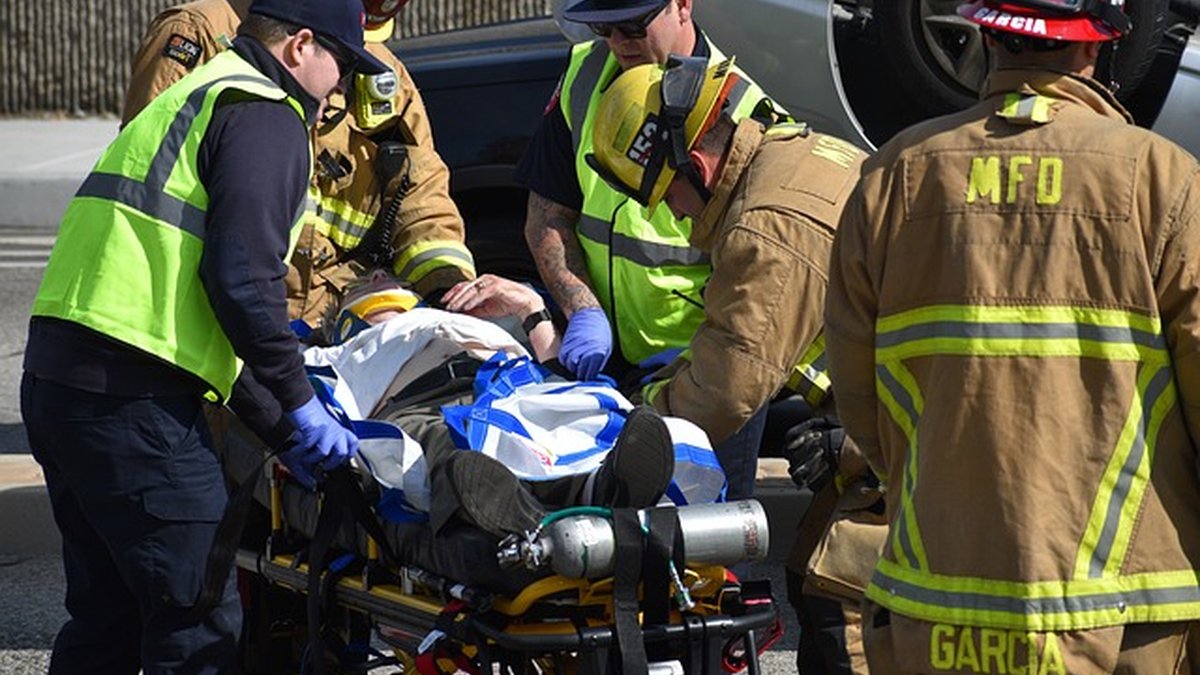
Facing repeated trauma, long shifts and high-stakes decisions often creates a sense of depletion and uncertainty among first responders and healthcare workers. Many seek a clear, practical roadmap for strengthening resilience without time-consuming theory or vague platitudes.
This guide distills evidence-based strategies and step-by-step protocols specifically for Resilience Building for First Responders and Healthcare Workers: immediate tools for burnout recovery, beginner-friendly training, pressure adaptation tactics for EMTs, and simple prevention guides for paramedics and nurses. All recommendations prioritize measurable outcomes, organizational adoption, and low-cost implementation.
Key takeaways: what to know in 1 minute
- Resilience is a set of skills, not a trait: these skills can be taught, practiced and measured. Evidence shows structured training reduces burnout symptoms and improves retention.
- A step-by-step recovery protocol accelerates return to work: short daily routines, graded exposure to stressors, and peer-supported check-ins produce faster symptom reduction than ad-hoc rest.
- Role-specific tactics increase effectiveness: EMTs, paramedics, nurses and fire/PD responders need tailored drills and metrics instead of one-size-fits-all programs.
- Organizational systems matter as much as individual tools: shift design, debrief practices and access to confidential services are primary drivers of long-term change.
- Measure impact with clear KPIs: burnout scores, sick-day rates, retention, and resilience scale changes show ROI and guide iterative improvement.
How to define resilience for first responders and healthcare workers
Resilience in this context refers to the capacity to maintain or quickly recover mental, emotional and operational functioning after exposure to high-stress events. For first responders and healthcare workers, resilience has three practical components: stabilization (acute coping), recovery (post-event restoration), and adaptation (systems and skills to reduce future impact). Framing resilience as these deliverable components enables targeted training and measurable outcomes.
Cite trusted frameworks such as the Centers for Disease Control and Prevention (CDC) guidance on occupational stress and the National Institute for Occupational Safety and Health (NIOSH) resources. For operational adoption, link program goals to clinical or service KPIs rather than abstract wellness metrics. Examples of authoritative resources: CDC/NIOSH mental health topics and World Health Organization.
Simple resilience guide for healthcare workers: daily routine and micro-skills
Healthcare settings require concise, repeatable practices that fit breaks and shift turnover. The following micro-skills form a 10-minute daily routine that can be embedded into handoffs or charting time.
- Start-of-shift micro-check (2 minutes): a neutral rating (0-10) of emotional load and sleep quality recorded in log.
- Controlled breathing (2 minutes): box breathing 4-4-4-4 to reduce sympathetic arousal before high-intensity tasks.
- Cognitive labeling (1 minute): identify one emotion by name to reduce amygdala reactivity.
- Rapid recovery set (3 minutes): standing stretch + progressive muscle relaxation while focusing on one successful action from previous shift.
- Peer signal (1 minute): brief status exchange with one colleague using predefined code words for overload and need for support.
These micro-skills reduce acute stress, create shared language, and generate short data points that feed weekly measurement.
Step-by-step burnout recovery for nurses: a practical protocol
Recovery from burnout requires structured, phased steps rather than isolated rest periods. The protocol below is optimized for nurses but adaptable to other clinical staff.
- Implement duty adjustment: temporary reduction of overtime and nonessential assignments.
- Daily micro-routines as described above. Documentation of sleep and mood enables early triage.
- Access to a confidential one-time professional check-in (telehealth or onsite peer support).
Phase 2: active recovery (1–6 weeks)
- Graded return to full clinical load: start with shorter shifts, non-critical assignments, or mentorship pairings.
- Structured reflection sessions: 30-minute guided debrief twice weekly for 2 weeks using a standardized script.
- Cognitive-behavioral micro-interventions: 6 brief psychoeducation modules (10–15 minutes each) focusing on reframing, activity scheduling and behavioral activation.
Phase 3: reintegration and prevention (6–12 weeks)
- Skill reinforcement: monthly resilience drills (scenario-based, 30–45 minutes) with role-specific stressors.
- Organizational adjustments: schedule pattern review and ergonomic improvements to minimize circadian disruption.
- KPI evaluation: compare baseline burnout scale, absenteeism and error rates to 6- and 12-week checkpoints.
Evidence link: practical recovery steps align with recommendations from occupational health literature and structured CBT programs; see CDC materials for workforce mental health: CDC.
Resilience training for first responders for beginners: curriculum and session plan
Beginner training should prioritize psychological safety, brevity, and simulation that mirrors realistic stressors. A recommended 6-week beginner curriculum includes weekly 90-minute sessions combining didactic, skills practice and peer debrief.
- Week 1: Foundations of resilience—definitions, myths, and role-specific risks.
- Week 2: Stabilization tools—breathing, grounding, and quick cognitive checks.
- Week 3: Peer support and psychological first aid—how to run a safe debrief and identify red flags.
- Week 4: Scenario-based exposure—short simulations with guided recovery practice.
- Week 5: Organizational coordination—how to request workload adjustments and use available services.
- Week 6: Measurement and maintenance—using resilience scales, tracking, and setting team-level KPIs.
Training should be delivered by a mixed team: subject-matter expert (clinician or senior responder), mental health professional, and peer facilitator. Training materials should include short videos, one-page checklists, and an action card for immediate use after incidents.
How to adapt under pressure for EMTs: drills and decision hygiene
EMTs face compressed decision windows. The following drills build stress-tolerant decision-making and task management:
- The 90-second triage drill: practice rapid scene assessment with a 90-second timer to reinforce pattern recognition under pressure.
- The 3-word anchor: select three words that cue a breathing and orientation routine before patient contact.
- The verbalized checklist: no call longer than 15 seconds without three aloud status updates (patient, en route, ETA) to maintain cognitive rhythm.
- The post-call two-minute reset: a scripted sequence—exhale, remove gloves, label one success—before reentering service.
Decision hygiene practices reduce error: limit multitasking by assigning explicit roles, use closed-loop communication, and document mental notes on handoffs.
Simple guide to prevent burnout in paramedics: schedules, peer systems and metrics
Paramedics benefit from organizational-level prevention as much as individual tools. A minimal prevention package includes:
- Shift design: cap of consecutive 12-hour shifts and mandatory 24-hour recovery after 3 consecutive high-acuity calls.
- Peer response teams: volunteer peer responders trained in brief intervention and referral pathways.
- Rapid access care: guaranteed same-week confidential mental health appointment.
- Measurement dashboard: weekly aggregate of self-reported stress, sick days, retention intention, and incident severity mix.
ROI-focused leadership should track changes in overtime costs, sick-day expenditures, and recruitment/retention metrics to justify program continuation.
Comparative table: role-specific resilience interventions and expected outcomes
| Role |
Core intervention |
Time to measurable change |
Primary KPI |
| EMTs |
Decision drills + 2-min reset |
4–8 weeks |
Call handling time variance |
| Paramedics |
Shift caps + peer teams |
8–12 weeks |
Sick-day frequency |
| Nurses |
Graded return + CBT micro-modules |
6–12 weeks |
Burnout inventory score |
| Fire & law enforcement responders |
Scenario training + confidential access |
8–16 weeks |
Retention and critical incident stress calls |
Resilience process flow for frontline teams
Resilience process flow for frontline teams
🟢
Step 1 → Stabilize: immediate micro-skills and duty adjustments
⚡
Step 2 → Recover: graded workload, CBT micro-modules
🧭
Step 3 → Reinforce: drills, peer systems, measurement
✅ Operational resilience: sustained performance and reduced burnout
Advantages, risks and common mistakes
Benefits / when to apply ✅
- Implement when turnover or sick-day rates increase by more than baseline.
- Use for units with frequent high-acuity exposure or long overtime patterns.
- Deploy as preventive training before predictable surges (seasonal or event-driven).
Errors to avoid / risks ⚠️
- Treating resilience as optional: without policy support, individual gains erode quickly.
- One-off workshops without reinforcement: skills decay unless practiced and measured.
- Ignoring role specificity: generic programs fail to change operational KPIs for EMTs and paramedics.
Avoid these mistakes by pairing individual skill work with clear organizational policies, data collection and line-leader accountability.
Implementation roadmap for organizations: pilot to scale
- Week 0: baseline measurement (burnout inventory such as the Maslach Burnout Inventory or single-item measures) and stakeholder alignment.
- Weeks 1–8: pilot a 6-week training in one unit with pre/post measures and weekly fidelity checks.
- Weeks 9–12: evaluate pilot KPIs and gather qualitative feedback; adjust materials.
- Month 4–12: phased scale with training-of-trainers, automated prompts, dashboarding and budget allocation.
Cost-light options include peer facilitation, short modules embedded in shift change, and telehealth partnerships for confidential care.
Measurement and KPIs that matter
Select a small set of KPIs that map directly to organizational outcomes:
- Burnout inventory change (baseline vs 6–12 weeks)
- Sick-day rate per 100 full-time equivalents (FTEs)
- Overtime hours reduction
- Retention rate at 6 and 12 months
- Utilization of confidential mental health services (access metric)
Present results in a monthly dashboard for leadership; use run charts to show trends and correlation with intervention rollouts.
Evidence and recommended resources
Established agencies and peer-reviewed literature support structured resilience approaches. Practical resources and guidelines:
For training adaptation, consult evidence syntheses available through academic databases and organizational toolkits cited by national responder associations.
Frequently asked questions
What is the fastest way to reduce acute stress on shift?
A 3–5 minute stabilization routine (controlled breathing, grounding, and a one-sentence cognitive label) reduces acute physiological arousal and improves focus for the next task.
How long does resilience training take to show results?
Short-term symptom improvements often appear within 4–8 weeks when training includes practice, supervision and role-specific drills; organizational metrics like retention may take 3–6 months.
Can peer support replace professional mental health care?
Peer support is effective for early detection and short-term stabilization but should be paired with clear referral pathways to licensed mental health professionals for moderate to severe needs.
How should an EMT adapt these techniques during a multi-casualty incident?
Use pre-established anchors (3-word cue and 90-second triage rhythm) to maintain team coordination; delegate roles explicitly and perform a quick two-minute reset after each major engagement.
Are there quick metrics organizations can use without long surveys?
Yes: single-item stress ratings, sick-day frequency per week, and anonymous weekly pulse surveys (1–3 questions) provide rapid feedback and trend data.
What prevents skill decay after training?
Scheduled refreshers, incorporation into shift checklists, and role-modeling from supervisors maintain skill retention.
How much does a basic resilience pilot cost?
A minimal pilot with peer facilitation, digital micro-modules and telehealth access can run under $10,000 for a mid-size unit; costs scale with trainer hours and protected time.
How to measure ROI for resilience programs?
Compare pre/post changes in sick days, overtime costs, and retention against program costs; include qualitative outcomes like improved morale as supporting evidence.
Your next step:
- Implement a 6-week pilot using the beginner curriculum for one unit and collect baseline burnout and sick-day KPIs.
- Deploy the daily 10-minute micro-routine across shifts and document adherence in a simple log system.
- Establish a monthly dashboard with at least three KPIs (burnout score, sick-day rate, and retention intention) and review at leadership meetings.