Worried that pantry chaos costs time, money and meal frustration? A focused, printable pantry labeling and organization systems approach removes guesswork at mealtime, reduces expired food, and creates a repeatable routine for the whole household. This guide delivers practical templates, exact label sizing, printing and material recommendations, and a step-by-step system tailored for busy lifestyles and small kitchens.
Key takeaways: what to know in 1 minute
- Printable pantry labeling and organization systems centralize identification, dates and portioning to cut food waste and speed meal prep.
- Start small: a beginner set of labels for staples (flour, sugar, rice, pasta) plus a simple inventory sheet transforms visibility instantly.
- Label size matters: measure jar lids and container faces; most mason jars need 1–1.5 inch round labels; front-facing labels work at 2–3 inches wide.
- Materials and printing: matte waterproof labels or laminated cardstock with strong adhesive last longest in humid kitchens.
- System beats style alone: templates + rotation rules (FIFO) + weekly inventory checks keep pantries functional, especially in small kitchens.
Printable pantry labels for beginners
Printable pantry labels for beginners should reduce friction: a limited set of clean, identifiable labels, clear fonts, and an easy printing method. The starter pack needs three label types: container name, open/expiration date, and portion/weight. A beginner printable kit that includes editable templates (PDF or Google Slides) allows quick tailoring to household language and ingredient variations.
- Essentials in the beginner kit: flour, sugar, brown sugar, rice, pasta, oats, salt, baking powder, baking soda, coffee/tea, spices (generic). Editable text fields facilitate adding brands or special notes.
- Why printable matters: printing at home or at a local print shop enables using specific adhesives and sizes for jars, bags and canisters. When professionally printed, labels use durable inks and adhesives suitable for humid pantries.
Practical note: include a small sheet labeled "pantry inventory" as a printable companion so the first labeling step also documents what exists. For tested storage-life guidance, refer to the USDA FoodKeeper for safe timelines: USDA FoodKeeper.
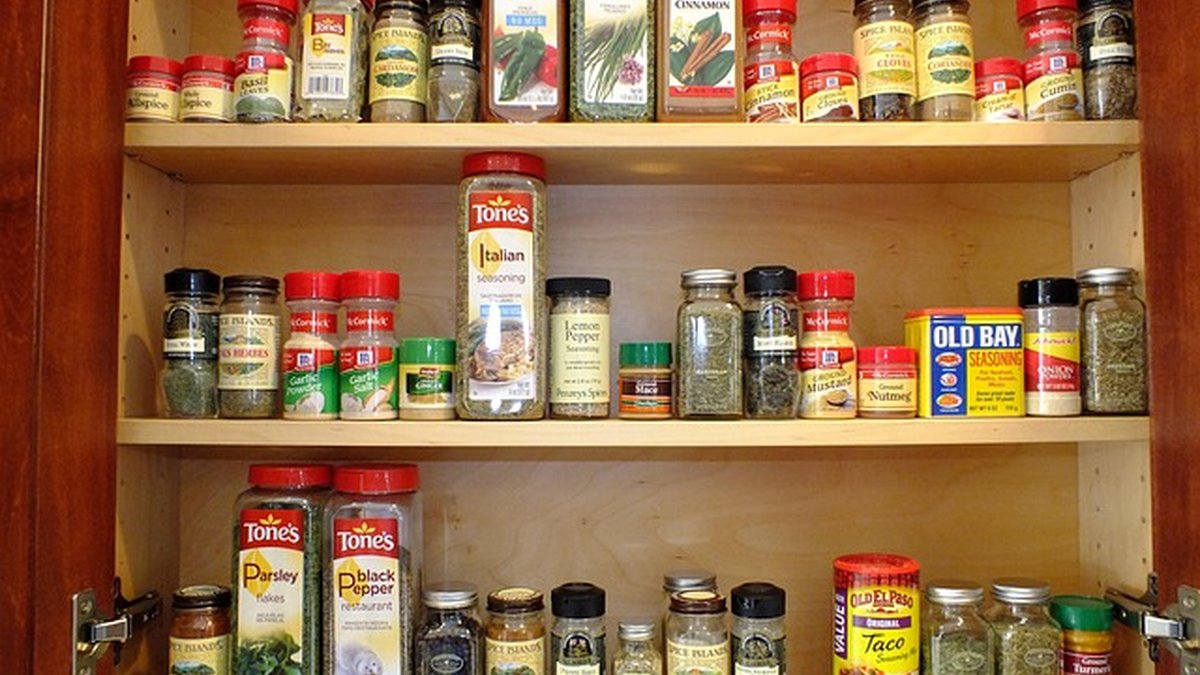
Simple pantry labeling guide for busy people
Simple pantry labeling guide for busy people focuses on speed and repeatability. The objective is to spend minimal time initially and then less than five minutes weekly to maintain the system.
- Two-minute setup rule: label top 20 most-used items in under two minutes each with pre-formatted printable labels.
- One-touch refill rule: when refilling a container, update the date on the label immediately; use a fine-tip permanent marker or a date sticker overlay.
- Weekly 5-minute scan: keep a printable inventory sheet on the pantry door or a digital copy on a phone; scan for low items in one pass.
Templates should include large, legible fonts and optional icons to aid quick recognition. For busy households, folder-based printable kits (e.g., printable label sheet + inventory + shopping sync) create a single workflow from identification to shopping.
How to size pantry labels for jars
How to size pantry labels for jars is a common barrier to neat results. A practical sizing system uses three measurement zones: lids, jar fronts, and narrow necks.
- Measure first: use a ruler or tape measure. Note diameter (for lids) and visible height/width for fronts.
- Standard sizing guide:
- Mason jar lids: 1" to 1.5" round labels for center-of-lid labels.
- Short squat jars (spice jars/pickle jars): 1.5"–2.25" high by 2"–2.75" wide for front labels.
- Tall canisters: 2.5"–3.5" wide by 1.5"–2.25" high for front-facing rectangular labels.
- Narrow spice jars: 1"–1.25" wide and 1"–1.25" high or 0.75" round depending on brand.
Sizing decisions depend on readability from typical shelf distance (12–18 inches). For households with vision differences, increase label height by 25% and choose high-contrast templates.
Label placement best practices
- Front-facing labels are fastest for scanning.
- Lid labels work well for stacked or deep shelves.
- Back labels for allergen or purchase notes preserve front aesthetics.
Note: include an editable ruler template in printable kits to test alignment before printing full sheets.
Best pantry labeling systems for small kitchens
Best pantry labeling systems for small kitchens optimize vertical space and visibility. Small kitchens benefit most from uniform containers, consistent label placement, and multi-function labels that include item, net weight, and open date.
- System components for small kitchens: uniform stackable containers, narrow front labels, lid labels for stacks, slim spice labels for cabinet doors, and a single clipboard inventory.
- Space-saving tips: mount a slim magnetic label strip inside cabinet doors for spices; use narrow wrap labels for jars to allow stacking; prefer square or rectangular containers to maximize shelf density.
Comparison of three compact systems:
| System |
Best for |
Pros |
Cons |
| Uniform snap-top containers + front labels |
Bulk staples |
Maximizes shelf density; clean look |
Upfront container cost |
| Mason jar + lid labels + shelf risers |
Farmers-market vibe |
Low-cost; recyclable jars |
Lid-only visibility if stacked |
| Door-mounted spice rail + printable narrow labels |
Small cabinets |
Uses unused door space; fast access |
Limited capacity per door |
For inspiration and tested layouts, refer to practical examples by HGTV pantry organization.
Step by step pantry declutter and labeling
Step by step pantry declutter and labeling provides a repeatable workflow that turns an hour of work into a lasting system.
Step 1: clear and categorize
- Empty shelves one at a time. Group similar items together: grains, baking, canned goods, snacks, sauces, breakfast, spices.
- Discard expired items and note near-expiration items on the printable inventory under a "use soon" column.
Step 2: choose containers and measure
- Choose containers that fit shelf depth and height. Measure visible face width and jar lid diameters to plan label sizes.
- Use the sizing guide above (see how to size pantry labels for jars).
Step 3: print and apply labels
- Print a small test sheet on the chosen material (matte waterproof label or full-sheet sticker paper). Confirm fit and legibility.
- Apply labels consistently: front center for readability; lids centered for stacked jars.
Step 4: set rotation rules and inventory
- Use FIFO (first in, first out) for bulk items. Add an "opened on" field to each label.
- Maintain a weekly printable inventory checklist for quick scans.
Step 5: maintain with 5-minute checks
- When an item reaches the re-order threshold, mark it on the inventory and add it to the shopping list. Keep the printable inventory on the pantry door or synced to a device via a photo.
Materials, printing and durability: what to use and why
Printable pantry labeling and organization systems depend on matching material to use-case. Options include full-sheet matte waterproof labels, clear adhesive vinyl, cardstock with laminate, and chalkboard sticker sheets.
- Matte waterproof labels (preferred): resist humidity and oils, print well on laser/inkjet, and remain legible when wiped.
- Clear vinyl with white ink backing: best for a minimalist look on glass jars; requires print shop or white-ink printer.
- Laminated cardstock tags: ideal for clip-on tags or tied tags for large bins; very durable.
- Chalkboard-style labels: rewritable with chalk markers; good for frequently changing items but less durable long-term.
Printing tips:
- Use 120–200 gsm matte paper for printable sheets at home; heavier stock reduces curling.
- Prefer pigment inks for resistance to smudging; consider a local print shop for bulk or waterproof finishes.
- For waterproofing at home, use clear packing tape over labels or a home laminator for small runs.
Templates, icons and accessibility
Templates should include variable sizes and icon sets for visual scanning. Accessibility considerations make labels usable by all household members.
- Iconography: simple icons for flour, sugar, rice, spices, coffee accelerate recognition for multitasking cooks.
- Font selection: use sans-serif fonts (e.g., Inter, Arial) at minimum 12–14 pt for front labels and 18–22 pt for lids or for users with reduced vision.
- High contrast: dark text on light background or white on dark with at least AA contrast.
Include a bilingual option in printable kits or large-font versions for pantry helpers who prefer clearer text.
Integrating date and rotation (FIFO) into printables
Labels that include date fields and rotation codes prevent waste. Add a small blank area or a removable sticker for "opened on" and "use by" dates.
- Date format: MM/DD/YYYY or MM/YYYY for items stored long-term.
- Rotation code: add a small colored dot system—green for recently opened, yellow for middle, red for use soon.
- Label variants: provide a label with a removable clear sticker overlay to write dates with a wet-erase marker.
For evidence-based storage life recommendations, link to the USDA FoodKeeper and a shelf-stability overview from a reputable consumer resource: Good Housekeeping pantry tips.
A companion printable inventory sheet is key to closing the loop from labeling to shopping. The sheet should include columns: item, container size, quantity on hand, opened on, use by, reorder threshold.
- Workflow: scan shelves weekly, mark low items, take a photo or transfer low items to the weekly shopping list.
- Automation: optional QR codes on labels can link to a shared grocery list or inventory app for households that prefer digital sync.
Smart additions: QR labels, batch codes and retail reuse
Advanced printable pantry labeling and organization systems add QR codes for digital integration, batch codes for home-canned goods, and resale-friendly templates for small food businesses.
- QR codes: link label to cloud-based inventory (Google Sheets, Airtable) for item-level tracking; generate QR codes in printable templates.
- Batch codes: include a small code for canned goods with date and recipe link.
- Resale or craft use: provide a commercial-use license option in printable kits for sellers on marketplaces like Etsy.
Materials comparison table
| Material |
Durability |
Best use case |
Cost per sheet (approx) |
| Matte waterproof labels |
High |
Pantry jars, humid kitchens |
$0.20–$0.75 |
| Clear vinyl |
High |
Minimalist glass jars |
$0.30–$1.00 |
| Laminated cardstock |
Very high |
Clip tags, bin labels |
$0.40–$1.20 |
| Chalkboard sticker |
Medium |
Frequently changing contents |
$0.15–$0.50 |
Practical example: how it works in real life
📊 Case data:
- Main variables: 1 medium pantry (shelves 4), 48 labeled containers, household of 3.
- Time investment: Declutter + container selection = 90 minutes. Printing and applying labels = 40 minutes.
🧮 Process: Apply printable kit with 5 label sizes, set FIFO for bulk rice/flour, add "opened on" date to each jar, maintain weekly 5-minute inventory on printable sheet.
✅ Result: Visibility increased, expired items reduced by estimated 60% in first 3 months, weekly meal prep time reduced by about 10 minutes per day.
Visual workflow → quick scan checklist
Step 1 ➜ Step 2 ➜ Step 3 ➜ ✅ Maintained pantry
Step 1: Empty & categorize → Step 2: Measure & choose label sizes → Step 3: Print & apply labels + add dates → ✅ Maintained pantry: weekly 5-minute scan
Comparative: material and use
Home printing
- ✓Cost-effective for small runs
- ✗Limited waterproof options
- ✓Customizable on the fly
Professional print shop
- ✓Durable inks and adhesives
- ✗Higher upfront cost
- ⚠Minimum order quantities possible
Step timeline for a 1-hour pantry refresh
1️⃣15 minEmpty shelves & categorize
2️⃣15 minMeasure containers & choose sizes
3️⃣20 minPrint & apply labels
4️⃣10 minQuick inventory & set reorders
Advantages, risks and common mistakes
Benefits / when to apply
- ✅ Immediate visibility: labels reduce search time and decision fatigue.
- ✅ Food waste reduction: integrated dates and FIFO cut spoilage.
- ✅ Better shopping: inventory-led shopping prevents duplicate purchases.
Errors to avoid / risks
- ⚠️ Overcomplication: too many label styles slows setup and maintenance.
- ⚠️ Wrong materials: non-waterproof paper peels in humid conditions.
- ⚠️ Inconsistent placement: mixed label placement frustrates quick scans.
Frequently asked questions
What are the best printable pantry labels for beginners?
Printable pantry labels for beginners should be editable templates that include item name, an opened/on date field, and basic icons. Start with 12–20 core labels for fastest impact.
How to measure jars for printable labels?
Measure the visible face width and height for front labels and jar lid diameter for lid labels. Use the sizing guide above: mason lids typically 1–1.5"; front labels 2–3" wide.
Which material lasts longest in a humid pantry?
Matte waterproof adhesive labels or clear vinyl with white backing perform best. For home printing, laminating labels or covering them with clear tape increases durability.
Can printable labels include QR codes or batch numbers?
Yes. Printable pantry labeling and organization systems can include QR codes linking to cloud spreadsheets or recipe pages and batch codes for home-canning. Generate QR codes in the template before printing.
What size labels for mason jars?
Mason jar lids: 1"–1.5" round. Front-facing labels for quart jars: 2.5"–3.5" wide by 1.25"–2" high depending on visible area.
Are chalkboard-style printable labels a good idea?
Chalkboard-style labels are useful for frequently changing contents but are less durable long-term and may smudge; consider a chalk marker or laminate overlay.
How often should pantry labels be updated?
Update the "opened on" date each time a container is refilled. Perform a weekly 5-minute scan to update inventory and reorder items.
Can these printable systems work for small kitchens?
Yes. Best pantry labeling systems for small kitchens focus on uniform containers, narrow labels, lid labels, and door-mounted storage to maximize space.
Schema and structured data
All published labels and template downloads should include structured JSON-LD to improve article search presence and eligibility for rich results. See the schema section for complete JSON-LD objects.
Your next step:
- Print one test sheet and apply labels to the top 10 most-used items today.
- Add "opened on" dates to all jars and set a weekly 5-minute scan reminder.
- Create a printable inventory checklist and place it on the pantry door for immediate use.
