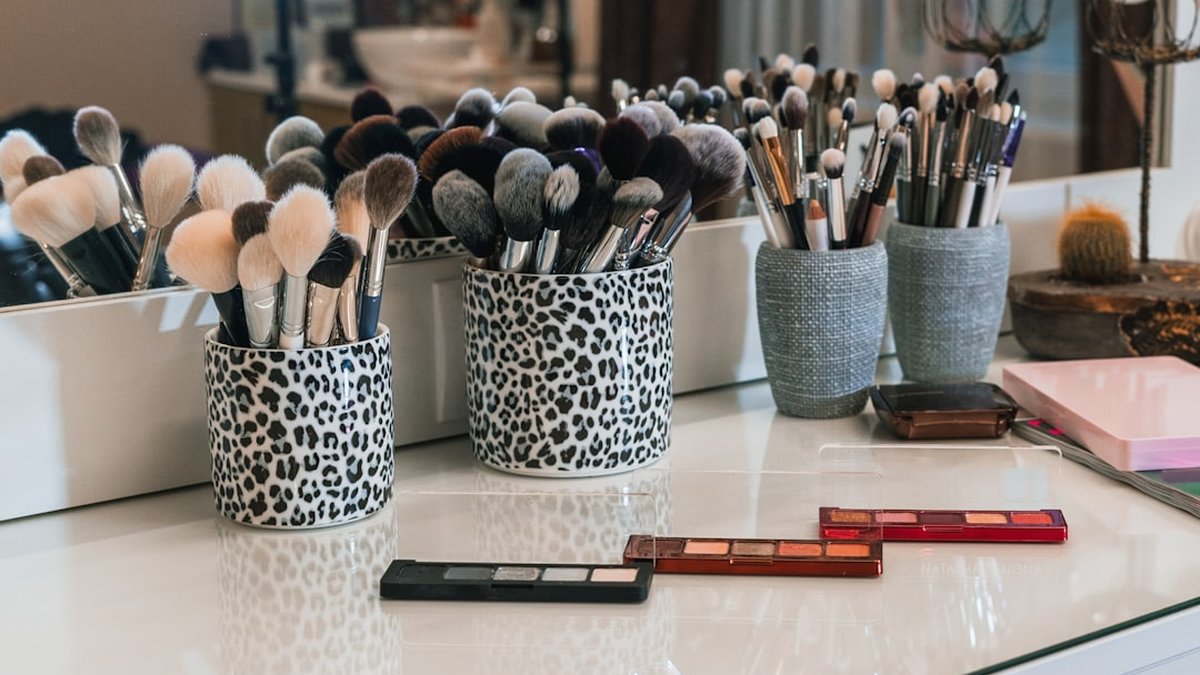
Are cluttered workstations, oversized kits and slow prep routines reducing service speed and profitability? Many professionals face inefficiency and cross-contamination risk when makeup collections grow without a minimalist system.
This guide delivers a practical, professional-grade approach to Minimalist beauty and makeup organization for professionals. It focuses on workflow-first kit design, hygiene protocols for high-volume use, reproducible storage templates, travel-ready layouts, and compact morning routines—so setups stay fast, sanitary and portable.
Key takeaways: what to know in 1 minute
- Minimalism is workflow-first. Reduce tools only when they improve speed or hygiene, not for aesthetics alone.
- Kits should be modular and labeled. Interchangeable pouches and trays speed setup and inventory rotation.
- Sanitization is non-negotiable. Implement surface, product and tool protocols for professional use.
- Packing templates and measurements save time. Use printable layouts and standard dimensions for cases and drawers.
- Dual-purpose products enable compact routines. Choose multifunction items to shrink kit volume without losing versatility.
Adaptable minimalist makeup routine for professionals
Core product list for high-volume service
A professional minimalist routine focuses on high-utility, versatile items that withstand repeated client use and fast application.
- Replace multiple single-use shades with modular palette systems (refillable pans).
- Prioritize pigmented, blendable formulas that layer predictably.
- Choose multiuse sticks or creams for cheeks, lips and eyes to reduce duplicate items.
- Maintain a small set of backup disposables: sponge wedges, cotton swabs, microspatulas.
Recommended professional standards: keep 3 foundation shades per skin category (light, medium, deep undertone variants), 4 modular eyeshadow pans (neutral matte, neutral shimmer, 1 accent, 1 transition), 2 multipurpose cream sticks, and one palette of interchangeable concealers. This configuration balances coverage options with minimal volume.
Workflow layout for speed
Design stations so the most-used items are reachable in one motion: foundation -> concealer -> eyes -> brows -> cheeks -> lips.
- Arrange tools left-to-right for right-handed artists (reverse for left-handed): brushes, sponges, palettes, products, disposables.
- Use a shallow tray for 'in-use' items and a closed pouch for backups.
- Create a small sanitation tray with 70% isopropyl wipes, clean brush towels, and a sealed bag for used cotton.
A two-minute setup checklist reduces morning friction: 1) unpack modular palette, 2) place brushes in order of use, 3) prepare disposables. Templates (diagram with measurements) cut setup time by 30–60%.
Sanitization checkpoints and protocols
Hygiene is crucial for professionals; minimalism must not degrade safety.
- Clean and disinfect surfaces between clients with EPA-registered disinfectant or 70% isopropyl alcohol. See CDC guidance on hand hygiene: CDC handwashing.
- Avoid double-dipping: use microspatulas and single-use palettes for cream/liquid products.
- Implement daily brush sanitation (coarse clean) and weekly deep-clean cycles using detergent + disinfectant.
Peer-reviewed evidence on cosmetics contamination emphasizes the importance of tool and product hygiene: PMCID 5831309.
Minimalist makeup storage ideas for beginners
Drawer layouts with reproducible measurements
Design drawer inserts using a simple grid: allocate zones for palettes, liquids, tools, and disposables.
- Standard drawer layout (example):
- Zone A (left, 30% drawer width): tools (brush cups, clean towels)
- Zone B (center, 40%): daily-use palettes and foundations (arranged by height)
- Zone C (right, 30%): backups, disposables, sanitization pack
Provide printed layout sheets (8.5"x11") that fit into organizer lids to standardize placement across workstations.
Affordable organizers and materials for beginners
- Acrylic trays: clear visibility, easy to wipe, suitable for tabletop displays.
- EVA foam inserts: custom-cut for palette shapes; lightweight and portable.
- Durable nylon pouches: color-coded and labeled for quick swaps.
Compare options by cost, hygiene and durability in the table below.
| Material | Cost | Durability | Hygiene | Best use |
|---|
| Acrylic trays | $$ | High | Easy to wipe | Tabletop organization |
| EVA foam inserts | $ | Moderate | Washable; needs replacement | Drawer/palette protection |
| Nylon pouches | $ | Moderate | Machine washable | Portable kits |
| Metal tins | $$$ | Very high | Very easy to disinfect | Long-term storage |
Labeling, inventory and rotation practices
- Use simple labels: product name, shade, open date. Replace items past recommended open periods.
- Implement FIFO (first in, first out) for product rotation.
- Maintain a weekly snapshot inventory (photo + short list) for restocking and insurance documentation.
Compact beauty routine simple guide for mornings
5-minute professional morning routine for busy days
- Cleanse and moisturize with travel-sized, multi-benefit product.
- Apply a versatile base (tinted moisturizer or thin foundation) on high points.
- Quick cream bronzer/blush stick for dimension.
- Single-color eyeshadow sweep + mascara.
- Tinted balm or lip stain.
This routine uses dual-purpose products and a single brush for base to keep prep under five minutes while preserving a professional finish.
Dual-purpose products to prioritize
- Tinted moisturizers with SPF
- Cream-to-powder multisticks
- Magnetic refill palettes
These choices reduce the number of containers and speed application while remaining client-grade.
5-minute compact routine flow
🧼
Step 1 → Cleanse + lightweight moisturizer
🎯
Step 2 → Tinted base or BB cream (blend with sponge)
💄
Step 3 → Cream stick for cheeks + lips
👁️
Step 4 → One shadow pan + mascara
✅
Finish → Set T-zone (if needed) and quick lip balm
Step by step travel makeup organization tips
Packing checklist and modular templates
- Use color-coded modular pouches: Face, Eyes, Lips, Tools.
- Keep liquids in a clear, reusable pouch to meet airline rules.
- Prepare a documented template: list of items + dimensions for each pouch to match case pockets.
Example travel pouch template (carry-on friendly): - Face pouch: 1 compact foundation (refillable), 1 multi-stick, 1 small pressed powder - Eye pouch: 1 6-pan magnetic palette, mini mascara, pencil - Tool pouch: 6 brushes in roll, microspatula, sanitizing wipes
Carry-on friendly sanitation and security
- Keep a small sealed bottle of 70% isopropyl in checked luggage; for carry-on rely on disinfectant wipes.
- Wrap creams/compacts in thin neoprene sleeves to protect against pressure and impact.
Modular travel kit templates with dimensions
- Small pouch (8" x 5"): ideal for 6-pan palettes and a mini mascara.
- Medium pouch (10" x 7"): works for foundation compacts and multi-sticks.
- Brush roll (12" x 6"): fits 6–8 pro brushes.
Printing a labeled set of templates speeds packing and prevents overstuffing.
Best minimalist makeup kits for working women
Criteria for professional minimalist kits
- Portability: fits standard rolling case or carry-on compartment.
- Hygiene: materials can be disinfected and support single-use workflows.
- Versatility: covers the most requested looks with the fewest SKUs.
- Durability and cost-per-service favorable for daily use.
Curated kit recommendations and comparative table
The table below compares three professional-grade minimalist kits aimed at working women balancing portability and client service.
| Kit | Volume (L) | Hygiene (wipeable) | Best for | Estimated cost |
|---|
| Pro modular case (metal frame + foam inserts) | 12 L | Excellent | High-volume gigs, studio | $250–$450 |
| Lightweight trolley kit (nylon, modular pouches) | 9 L | Good | On-location jobs, travel | $150–$300 |
| Compact pro pouch set (fabric pouches + magnetic palette) | 5 L | Moderate | Freelance, quick bookings | $80–$180 |
Where to buy professional-grade materials
Reliable supplier standards make a difference: choose vendors offering replaceable foam inserts, antimicrobial linings, and warranty options. Example vendors include established professional makeup supply houses and industry retailers.
Advantages, risks and common mistakes
✅ Benefits and when to apply
- Faster setup and teardown in high-volume environments.
- Reduced cross-contamination when minimalism is combined with strict hygiene.
- Lower replacement costs when using modular refill systems.
Apply minimalist organization when services require repeatable, predictable workflows (bridal parties, fashion shows, daily studio work).
⚠️ Errors to avoid and risks
- Minimizing without testing: removing a product that is needed in 10% of jobs can slow service.
- Ignoring sanitization: smaller kits do not automatically equate to safer kits.
- Poor labeling and lack of templates: ad-hoc storage increases decision fatigue and errors.
Frequently asked questions
What is the smallest pro kit for on-location work?
A reliable compact pro kit holds a modular 6–8 pan palette, one multi-stick, a concealer palette and 6 brushes. It should fit in a 5–7L pouch.
How often should brushes be deep-cleaned in a professional setting?
Brushes used on clients should be spot-cleaned between appointments and deep-cleaned weekly; sanitize handles and ferrules after every heavy use.
Which materials are best for long-term hygiene in makeup storage?
Metal and acrylic perform best for disinfection; treated nylon with antimicrobial lining is a lighter option for travel pouches.
Can dual-purpose products replace full product sets?
Dual-purpose products can replace many single-use items for quick-to-medium complexity looks, but specialized services (bridal, editorial) often still need dedicated products.
How to prevent cross-contamination with cream products?
Use single-use spatulas, decant into single-use palettes, and label open dates. Avoid returning unused product to the primary container.
What packing method prevents product damage during travel?
Use foam inserts for compacts, neoprene sleeves for palettes, and rigid pouches for liquids. Distribute weight evenly in carry-on to avoid crushing.
How many foundation shades should a professional carry?
A minimal professional should carry at least three adaptable shades per major skin tone family and a neutral undertone mixer to expand range.
Are magnetic palettes hygienic for professional use?
Yes, if pans are wiped or swapped between clients and creams are used with spatulas. Metal pans are easy to disinfect when removed from the palette.
Your next step:
- Print and tape a standard layout sheet inside the primary work drawer, then arrange items according to zones and time the setup.
- Replace at least two single-use products with multiuse, refillable options and note the time saved over a week.
- Create a travel packing template (pouch dimensions + item list) and test it on one booking to confirm fit and hygiene.