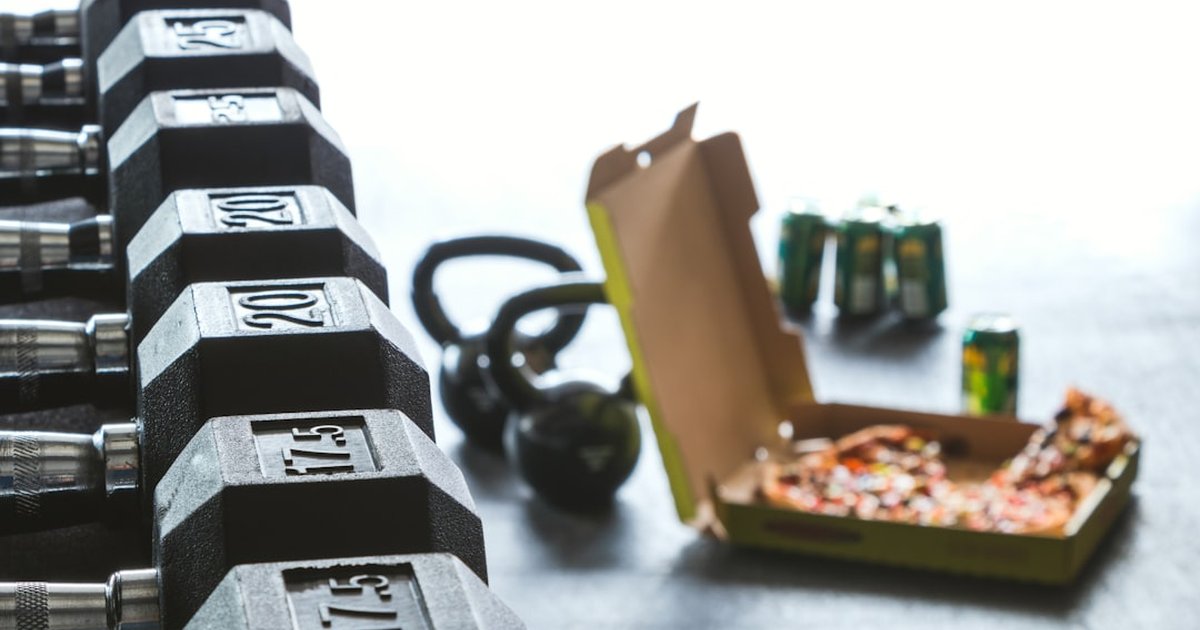
Are midday energy slumps, last-minute takeout, and juggling deadlines with unbalanced meals disrupting productivity and focus during the workday? Many professionals face the same daily trade-off: convenience versus nutritional control. This comparison of Meal Delivery Service vs Meal Prep for optimized workday nutrition cuts through the noise and evaluates which option best sustains energy, cognition, and healthy habits across different work routines.
Prepare to identify the method that preserves concentration, aligns with macronutrient goals, and fits available time—so that the chosen approach drives better focus and performance at work.
What to know fast: meal delivery vs meal prep for workday nutrition
- Best for time-savings: Meal delivery services save the most hands-on time—often 15–30 minutes per meal versus DIY prep. Ideal when schedule tightness is the limiting factor.
- Best for cost control: Meal prep (DIY) typically offers lower cost per serving, especially when buying staples in bulk and cooking once for multiple meals.
- Best for nutrition precision: Meal prep gives maximum control over macros and ingredients; many delivery options approach this level but may still include added sodium, sauces, or preservatives.
- Best for dietary constraints: Specialized meal delivery often supports strict diets (keto, vegan, low-FODMAP) with curated menus; DIY is more flexible but demands nutrition knowledge.
- Decision hinge: Choose based on workday pattern—commute length, break predictability, access to refrigeration/microwave, and willingness to trade time now for time later.
Who benefits most from meal delivery vs prep
Who gains most from meal delivery services
Meal delivery services benefit professionals with irregular schedules, long commutes, or minimal evening prep time. Examples: busy managers, on-call staff, and early-shift workers. Delivery lowers decision fatigue and removes shopping/cooking steps that compete with rest.
- Typical profile: 45+ hour workweek, limited weeknight time, unpredictable meeting schedule.
- Primary gains: consistent portion control, ready-to-eat or quick-heat meals, and less mental load around meal planning.
Who gains most from meal prep (DIY)
Meal prep benefits those who prioritize cost efficiency, nutritional precision, and ingredient transparency. Examples: employees with stable schedules, remote workers, shift workers who can batch-cook on a fixed day.
- Typical profile: predictable lunch window, access to a refrigerator and microwave, interest in cooking or cost savings.
- Primary gains: lower per-meal cost, full control over macros and sodium, and ability to tailor bulk cooking to personal goals.
Who should consider a hybrid approach
A hybrid model combines delivery for high-pressure days and DIY prep for predictable workdays. This suits professionals wanting both convenience and cost control without full commitment to one method.
Time, focus and convenience: real workday trade-offs
Time investment: weekly comparison
- Meal delivery: Minimal prep time on the week—typically 0–15 minutes per meal to reheat or plate. Subscription management may require occasional planning (selecting meals, scheduling deliveries).
- Meal prep: Upfront time investment of 1.5–4 hours weekly to plan, shop, cook, and portion. Time saved during weekdays becomes available for focused work or recovery.
Attention cost and decision fatigue
Meals delivered reduce everyday decisions—this saves cognitive bandwidth for work. DIY meal prep requires initial planning and occasional troubleshooting (equipment, spoilage), which may be acceptable if scheduled outside peak workdays.
Logistical convenience at work
- Access to fridge and microwave: If available, both options work well. Delivered meals often come in heat-and-eat containers designed for office reheating; DIY meals require storage containers and reheating considerations.
- Reheating constraints: Some deliveries are microwave-safe; some meals require oven or stovetop, limiting options in many offices.
Real-world micro-hacks to preserve focus
- Stagger meal prep on lower-demand days to avoid cooking fatigue.
- Use single-serve vacuum containers for DIY to reduce spills and odor at work.
- Schedule deliveries for mid-week to avoid weekend spoilage.
| Metric |
Meal delivery |
Meal prep (DIY) |
| Hands-on time per meal |
0–15 min |
10–30 min (averaged) |
| Weekly prep time |
0–60 min |
90–240 min |
| Decision fatigue |
Low |
Moderate |
| Control over ingredients |
Medium–High (varies by provider) |
High |
Workday meal flow: delivery vs prep
🛒Step 1 → plan week (choose delivery days or prep batch)
👩🍳Step 2 → batch-cook or accept delivery
🥡Step 3 → portion for work (pack single-serve)
⏲️Step 4 → time meals around focus windows
♻️Step 5 → store leftovers and reduce waste
Cost breakdown: subscription fees, groceries and hidden expenses
Subscription and per-meal pricing model
- Meal delivery: Prices vary widely—typical prepared meal services range $8–$15 per serving, premium options $12–$22. Meal kit services (cook-at-home) often cost $7–$12 per serving but require time to assemble and cook.
- Meal prep (DIY): Average grocery cost per home-cooked serving can be $3–$7 depending on ingredients and region. Bulk buys, legumes, and whole grains reduce per-serving cost.
Hidden costs to include in comparisons
- Packaging disposal or recycling fees (delivery often adds single-use materials).
- Delivery tips and fees, and occasional extra shipping charges.
- Time cost: value the time spent shopping and cooking versus ready-to-eat convenience. For hourly-wage workers, this time has an opportunity cost.
Example weekly cost scenarios (5 lunches)
- Delivery (mid-range $10/meal): $50/week + $6 delivery fees = $56/week.
- DIY prep (avg $4.50/meal): $22.50/week + estimated $8 in energy/gas = $30.50/week.
- Hybrid (2 deliveries, 3 DIY): $20 + $13.50 = $33.50/week.
These illustrative numbers show DIY can be ~40–60% cheaper, depending on ingredient choices and local delivery pricing.
Nutrition quality and macros: which option supports goals?
Macro control and portion accuracy
- Meal prep allows precise macro targets (protein, carbs, fats) by weighing portions and selecting ingredients. This benefits those aiming for muscle maintenance, weight loss, or strict carbohydrate control.
- Many meal delivery services publish nutrition facts per meal, enabling reasonable macro tracking. However, some ready meals include hidden sugars, extra sodium, or sauces that increase calories.
Micronutrients and food quality
- DIY prep favors seasonal vegetables and whole-food choices, often increasing fiber and micronutrient density.
- High-quality delivery services use fresh ingredients and some prioritize low-sodium or nutrient-dense meals; certification and sourcing vary.
Consistent intake of balanced macronutrients and moderate glycemic load supports sustained attention and executive function. Reviews on chrononutrition note that meal timing and composition affect cognition and energy across the day (see the chrononutrition review: PMC chrononutrition review).
- Cognitive focus template: 30–35% protein, 35–40% complex carbs, 25–30% healthy fats.
- Sustained energy template (active workers): 25–30% protein, 45–50% carbs, 20–25% fats.
- Calorie target examples should be individualized; consult a registered dietitian for personalized plans (Academy of Nutrition and Dietetics).
Dietary restrictions, food waste and meal customization limits
Accommodating allergies and strict diets
- Meal delivery: Many providers offer filters for allergies, gluten-free, vegan, keto, and allergen-free menus. Specialized services exist for clinical diets but may carry premium pricing.
- Meal prep: Offers the greatest customization; cross-contact risks are controlled at home where ingredients are known.
Food waste and sustainability trade-offs
- Delivery often increases single-use packaging and perishable volume. Some services use recyclable materials and carbon-neutral shipping—verify provider claims and recycling options.
- DIY prep can reduce food waste by repurposing ingredients across meals and using bulk buying strategies. Composting scraps further reduces environmental impact. For waste data, EPA resources are informative: EPA on recycling.
Limits on customization
- Delivery services may limit swaps or substitutions and sometimes require minimum orders for certain dietary requests.
- DIY allows unlimited swaps but requires knowledge to preserve macro balance and nutrient density.
Decision checklist: choose meal delivery or DIY meal prep
Quick decision flow (use as a filter)
- Is weekday scheduling unpredictable? → lean delivery.
- Is per-meal cost the primary constraint? → lean DIY prep.
- Are strict macros or ingredient control essential? → choose DIY or a premium delivery that publishes full nutrition facts.
- Is office reheating limited? → choose microwave-friendly delivery or cold salads/prep that require no reheating.
Checklist: operational considerations before committing
- Assess kitchen access at work: refrigerator, microwave, utensils.
- Calculate true cost: include fees, tips, packaging disposal, and the value of time.
- Check dietary fit: review nutrition labels or sample menus for sodium, added sugar, and protein content.
- Test for 1–2 weeks: trial a week of delivery and a week of DIY to compare energy, convenience, and budgeting.
- Plan for waste reduction: pick recyclable delivery providers or use reusable containers when prepping.
Balance strategic: what is gained and what is risked with meal delivery vs meal prep
✅ When delivery is the best option
- When time scarcity undermines consistent healthy eating.
- When quick, predictable meals prevent reliance on vending or fast food.
- When specific health-supporting programs (e.g., medically tailored meals) are required.
⚠️ Red flags for delivery
- High ongoing costs without noticeable productivity gains.
- Lack of nutrition transparency or excessive sodium/calories.
- Frequent delivery errors or inconsistent portions.
✅ When DIY meal prep is the best option
- When long-term cost savings and nutrition control matter more than short-term convenience.
- When a predictable weekly schedule allows efficient batching.
⚠️ Red flags for DIY prep
- When initial time investment leads to burnout and missed meals.
- When storage and reheating limitations at work cause food spoilage.
Office worker (9–5) sample day
- Breakfast: Greek yogurt, oats, berries (prepare night before).
- Lunch: Grilled chicken, quinoa, roasted vegetables (prep Sunday x5).
- Snack: Nut butter + apple.
Shift worker (night shifts)
- Strategy: schedule main meal before shift, light balanced snack during shift, protein-rich post-shift recovery meal. Use refrigerated prepared meals if reheating not possible.
Commuter with limited evening time
- Strategy: use hybrid—delivery for midweek dinners, DIY for lunches to save cost. Use salad jars and microwaveable grain bowls.
Quick questions about meal delivery vs meal prep for workday nutrition
How does meal timing affect focus during the workday?
Meal timing shapes blood glucose stability; eating balanced meals spaced 3–4 hours supports sustained attention. Strategic protein at lunch reduces mid-afternoon crashes.
Why do delivered meals sometimes feel less filling?
Portion composition and higher water content in whole foods influence satiety; delivered meals sometimes use lean proteins and lighter sauces that feel less filling. Pair with fiber-rich sides to increase satiety.
What happens if office storage is limited?
Limited storage favors meal delivery with ready-to-eat options or shelf-stable kits. Alternatively, freeze portions at home and carry insulated containers.
Which meal delivery services report full nutrition facts?
Many reputable services publish nutrition facts—verify menus and select providers that list calories, protein, carbs, fat, and sodium per meal before subscribing.
How can meal prep reduce food waste?
Batch-cook overlapping recipes, repurpose proteins across recipes, freeze extras, and plan meals around perishable items to lower waste.
Conclusion: long-term benefit and next steps
Choosing between meal delivery service and meal prep is not strictly about food—it’s about aligning nutrition strategy with work rhythms and sustainable habits. Over weeks, the right choice should reduce decision fatigue, support consistent macronutrient targets, and preserve cognitive energy for work priorities. Small experiments (one-week trials) produce clear evidence for which path sustains productivity and well-being.
Your quick start plan
- Decide today: pick one delivery meal or plan one DIY lunch to test during the next workday.
- Time a single prep session: set a 90-minute block this weekend to cook 3–5 lunches and note the time cost versus delivery options.
- Track one week of energy and focus: record midday energy and productivity for 7 days and compare outcomes.