Are daily meetings, travel, and workouts leaving cognition foggy and energy low despite drinking water? Many high performers follow a «drink-more-water» script and still hit midafternoon crashes, dry mouth during calls, or sluggish thinking after travel. Hydration-focused meal and snack planning for high-performers requires thinking of food and snacks as fluid + electrolyte carriers, not just calories.
Prepare for an immediately usable set of meal plans, quantified fluid and electrolyte goals, portable snack recipes, and monitoring cues that fit a packed professional life. The approach prioritizes cognitive performance, steady energy, and rapid recovery across work, travel, and training.
- Base hydration target plus food-driven fluids: Aim for at least 30–40 mL/kg/day from all sources, with meals and snacks contributing 20–30% of daily fluid needs.
- Electrolyte strategy matters: Include 200–500 mg sodium and 150–300 mg potassium across snacks during long workdays or training to maintain cognitive and neuromuscular function.
- Portable options win: Concentrated electrolyte sachets, yogurt pouches, and fruit-based smoothies provide rapid rehydration for busy professionals.
- Monitor and adapt: Use pre/post-day body weight, urine color, and subjective focus as quick cues to adjust intake.
- Actionable starting plan: A 3-meal + 3-snack daily layout with two electrolyte-focused snacks prevents performance dips.
Hydration influences blood volume, brain function, digestion, and recovery. For professionals who juggle cognitive load and physical activity, small fluid deficits degrade attention, working memory, and decision-making speed. Water alone can restore volume but often fails to replace sodium and potassium lost through sweat or urine losses caused by caffeine and travel. Integrating fluids and electrolytes into meals and snacks provides sustained plasma osmolality control and predictable cognitive outcomes.
Evidence and trusted guidance include recommendations from the National Academies on adequate water intake (National Academies) and position statements by sports medicine authorities (ACSM). For practical high-performer plans, evidence supports combining fluid volume with sodium and carbohydrate to speed absorption and cognitive benefit (NIH review on fluid replacement and performance).
Hydration meal plan for beginners: a 7-day starter for busy professionals
This starter plan emphasizes fluid-rich meals, two electrolyte-focused snacks, and timing cues to preserve cognition and energy.
Principles used: smaller frequent intakes across the day (3 meals + 3 snacks), include 200–300 mL fluid with every meal, and add an electrolyte snack mid-morning and mid-afternoon when cognitive demand is usually highest.
Daily targets (beginner)
- Total fluid goal: 30–40 mL/kg/day from food + beverages (example: 75 kg individual → 2.25–3.0 L/day).
- Sodium target on active/work days: 1,500–2,500 mg/day (not a salt-everything mandate; distributed via meals and snacks).
- Potassium target: 3,000–4,700 mg/day from whole foods.
- Carbohydrate for mental endurance: 15–30 g in an electrolyte snack when cognitive load >90 minutes.
Sample day (workday, moderate activity)
- Breakfast (07:00): Greek yogurt smoothie (300 mL milk + 150 g yogurt + banana + 1 scoop whey) — ~350–450 mL fluids, 500 mg potassium.
- Mid-morning snack (10:00): Portable electrolyte snack (see recipes) + 250 mL water — contains ~200 mg sodium.
- Lunch (13:00): Grain bowl with cucumber, tomato, chickpeas, avocado, and 250 mL herbal tea — ~300 mL fluids, 700 mg potassium.
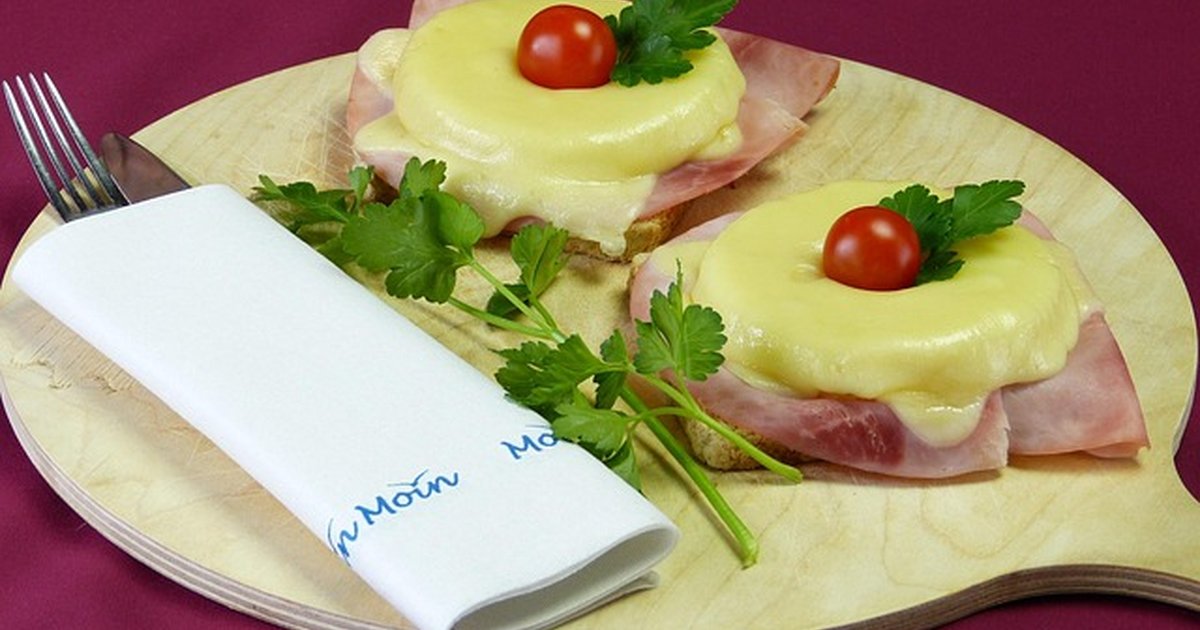
- Mid-afternoon snack (16:00): Savory cottage cheese with cherry tomatoes + concentrate electrolyte sip — ~200–300 mg sodium.
- Pre-workout or commute (18:30): Small carbohydrate drink (250 mL) with added electrolyte — ~15–20 g carbs.
- Dinner (20:00): Salmon, steamed vegetables, rice, and 200–300 mL broth — adds fluids and sodium if needed.
Step by step electrolyte snack prep (how to make 5 portable options)
Creating fast, portable electrolyte snacks focuses on three elements: fluid carrier, sodium, and potassium/carbohydrate. Below are step-by-step recipes that pack into bags, pouches, or flasks.
Recipe 1: citrus whey mini-smoothie pouch (portable)
- Blend 150 mL water, 100 mL orange juice, 1 scoop whey, pinch salt (¼ tsp = ~575 mg sodium spread across servings), and ½ banana.
- Pour into 250 mL reusable pouch and chill.
- Carry in thermal sleeve; consume within 6–8 hours.
Recipe 2: savory yogurt pot (high sodium)
- Mix 150 g full-fat Greek yogurt, 1 tbsp olive oil, 1–2 tsp miso or ¼ tsp salt, chopped cucumber.
- Pack in insulated container.
- Eat with a spoon; pairs with 200 mL water.
Recipe 3: concentrated electrolyte sip (DIY sachet)
- Combine 1/4 tsp salt, 1 tbsp sugar or honey, 1/8 tsp baking soda (optional), and 1/2 tsp potassium salt (optional) into a small sealed sachet.
- Add sachet to 250–500 mL water when needed; shake.
- Use one sachet per day when sweating or traveling.
Recipe 4: fruit + nut hydration bar (solid + fluid)
- Blend 120 g dates, 50 g dried apricot, 60 g oats, pinch of salt, and 2 tbsp peanut butter.
- Press into bars; store chilled.
- Pair with 150–200 mL electrolyte drink for rapid rehydration.
Recipe 5: brothy sip jar (travel friendly)
- Warm 300 mL low-sodium bone or vegetable broth and add 1/8–1/4 tsp salt.
- Pour into insulated mug.
- Drink slowly across meetings for sodium and fluid.
What to eat when dehydrated at work: quick, evidence-based choices
When dehydration symptoms appear (thirst, headache, fuzzy thinking), prioritize volume + sodium + light carbohydrates for cognitive recovery within 20–60 minutes.
- Fastest: 250–500 mL oral rehydration solution (commercial or DIY sachet) — restores plasma volume and electrolytes.
- Solid but quick: savory yogurt or cottage cheese + fruit — provides potassium and fluid through food.
- Warm option: 300–400 mL broth — ideal during travel or meetings when hot drinks are acceptable.
- Avoid: pure black coffee as the only response to dehydration; pair caffeine with additional fluid and electrolytes.
Foods that combine water, electrolytes, and easily available glucose offer the most reliable cognitive benefit.
- Fruits: watermelon, oranges, grapes — high water and potassium.
- Dairy: milk, yogurt — fluid, sodium, potassium, and protein for sustained cognition.
- Broths and soups: concentrated sodium and fluid for fast plasma volume restoration.
- Fermented or savory dairy: cottage cheese, kefir — micro-salt and probiotics that pair with hydration.
- Small carbohydrate portions: fruit, rice cakes, or 150–200 mL carb drinks to support brain glucose when prolonged focus is required.
Portable electrolyte snacks for busy professionals (top 10 options with quick packing notes)
| Snack |
Key benefit |
Pack tip |
| Electrolyte sachet + 300 mL bottle |
Fastest rehydration |
Keep sachets in laptop bag |
| Greek yogurt pot with salt |
Sodium + protein |
Insulated jar |
| Fruit pouch (watermelon/orange) |
High water, potassium |
Single-serve container |
| Cottage cheese & tomatoes |
Sodium-rich solid snack |
Small container |
| Bar with dates + pinch salt |
Carb + sodium |
Wrap in foil |
Simple monitoring cues and when to adjust the plan
Use three pragmatic cues: body weight, urine color, and focus/performance. Measure weight in the morning after voiding (consistent clothing). A drop >1% suggests the day needs additional fluids. Urine pale straw color indicates adequate hydration; darker amber suggests need to add 300–500 mL + sodium. If focus or reaction time slows on repetitive tasks, take a 15-minute electrolyte snack and reassess.
Tailored adjustments: sweat rate, climate, and caffeine interactions
- High sweat: add 200–500 mg sodium per hour of heavy sweating (during long outdoor workdays or exercise). Calculate sweat rate by pre/post activity weight change.
- Air travel and heated indoor offices increase water losses; increase base intake by 250–500 mL on travel days.
- Caffeine is mildly diuretic but not performance-damaging when paired with fluid; include extra fluid with caffeinated beverages.
- Reusable 500 mL bottle with wide mouth
- 6 electrolyte sachets (low sugar)
- Insulated food jar for yogurt/broth
- Portable pouches for smoothies
- Small zip bags for DIY sachets
- Quick grocery list: Greek yogurt, bananas, oranges, dates, miso, low-sodium broth, cottage cheese, almonds
Hydration workflow for a workday
🍶 **Wake** → 250–400 mL water + breakfast smoothie
➡️ **Mid-morning** → electrolyte snack (yogurt or sachet)
➡️ **Lunch** → fluid-rich bowl + 250–300 mL tea
➡️ **Mid-afternoon** → savory snack + small sip concentrate
➡️ **Evening** → broth or balanced dinner + monitor urine color
Balance strategic: what is gained and what to watch before starting
When this plan is the best choice (benefits)
- ✅ Improved sustained focus across long meetings
- ✅ Faster recovery after exercise and travel
- ✅ Practical portability for professionals on the move
Red flags and limits (what to watch)
- ⚠️ Pre-existing medical conditions (hypertension, heart failure, kidney disease) require medical review before increasing sodium. Consult a clinician if relevant.
- ⚠️ Excessive sodium without matching fluid can worsen thirst and blood pressure; adjust slowly.
How to measure progress in 2 weeks
- Track morning body weight daily; aim for stable weight within ±0.5%.
- Note number of cognitively productive hours (subjective) and compare week-over-week.
- Log urine color three times daily (pale straw = good).
Lo que otros users ask about hydration planning (common quick questions)
How many electrolytes should a busy professional aim for in a snack?
A practical snack target is 200–500 mg sodium and 150–300 mg potassium when prolonged focus or heat exposure is present. This supports plasma volume and neuron function.
Why include food-based fluids rather than just water?
Food-based fluids provide electrolytes and slow-release calories, which sustain cognitive performance longer than plain water alone.
Overhydration without electrolytes can dilute sodium and cause hyponatremia symptoms; balance fluids with modest sodium in long-duration scenarios.
How to adapt the plan for travel and red-eye flights?
Increase baseline fluids by 300–700 mL, include an electrolyte sachet mid-flight, and avoid alcohol during the first 24 hours of travel.
Which rehydration choice is fastest after a 60-minute intense workout?
A 250–500 mL carbohydrate-electrolyte drink with 200–500 mg sodium is fastest to restore performance.
Concise conclusion and roadmap
Consistent integration of fluids and electrolytes into meals and snacks yields measurable improvements in attention, recovery, and resilience for people with demanding schedules. Adopting small, portable practices—electrolyte sachets, yogurt pots, fruit pouches—creates a reliable baseline that prevents performance dips and supports long-term well-being.
First steps to implement today
- Measure baseline: weigh before and after one sweaty session to estimate sweat loss.
- Pack one portable electrolyte snack (yogurt + pinch of salt or a sachet) for tomorrow's mid-morning.
- Replace one plain coffee-without-fluid episode with a 300 mL electrolyte sip and note differences in focus.