Are noisy reflections, distant-sounding voice, or hiss from a home office recording setup undermineing podcast quality? This guide contains clear, practical steps to fix Home office acoustics and microphone placement for podcasters so recordings sound focused and professional from the first take. The emphasis is on measurable improvements a podcaster can implement with basic tools, a smartphone app, and budget-friendly treatments.
Key takeaways: what to know in 1 minute
- Proper mic placement makes the biggest difference, a dynamic or cardioid mic placed 4–8 inches from the mouth dramatically increases clarity and reduces room sound.
- Treat early reflections first, placing absorbers at first-reflection points and on the wall behind the mic reduces echo far more effectively than random foam.
- Budget panels can be highly effective, select dense panels (2" or 3") or DIY rockwool solutions for meaningful RT60 reductions.
- Pattern choice matters, use cardioid for single hosts and noisy rooms; use omnidirectional only when capturing room ambience or multiple distant sources is desired.
- Measure to verify, use a smartphone SPL/impulse app or Room EQ Wizard to confirm room improvements.
Why mic placement matters more than most accessories
Mic placement changes the direct-to-reflected sound ratio, which is the main determinant of perceived clarity. Placing the capsule closer to the mouth increases the level of direct sound versus room reflections by the inverse square law. That relationship is simple: halving distance increases direct sound by roughly 6 dB. For many podcasters, correct placement removes the need for heavy processing, de-reverb plugins, or multiple retakes.
How distance and angle affect tone and sibilance
- Distance: 4–8 inches (10–20 cm) is ideal for most cardioid dynamic mics. Closer distances emphasize proximity effect (enhanced low end); use pop filters or a slight angle to manage sibilance.
- Angle: a 20–45° off-axis angle reduces sibilance and plosives while maintaining presence. Aim the mic slightly below or to the side of the mouth, not directly at the lips.
- Multi-person setups: position each mic 4–8 inches from each mouth and ensure capsules are not facing each other to avoid bleed.
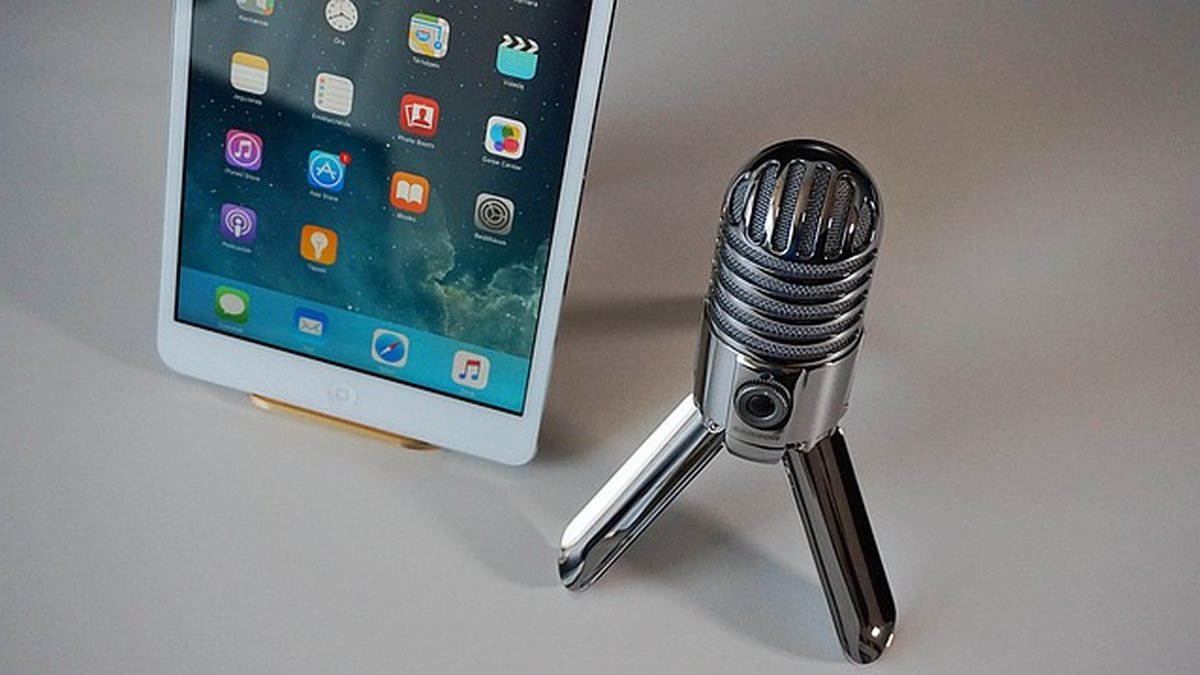
Home podcast mic placement step by step
This section provides an actionable sequence for any home podcaster to find the optimal mic position and setup.
Step 1: select the right mic and mount
- For untreated rooms, choose a dynamic cardioid mic (e.g., Shure SM7B, Electro-Voice RE20) when possible; they reject room noise better than condensers.
- Use a boom arm or shock mount to reduce desk vibration and to position the mic precisely. Avoid handheld or cheap clip mounts that force awkward distances.
Step 2: set initial placement and angle
- Start at 6 inches (15 cm) from the mouth, capsule aimed at a 30° angle off the centerline of the lips. Use a pop filter 2–3 inches from the capsule.
- Speak at normal podcasting volume and listen through headphones for plosives, sibilance, and proximity bass.
Step 3: measure and adjust for balance and room sound
- Record a short test track (30–60 seconds) with normal delivery. Listen for room reflections and background noise.
- Move the mic forward/back in 1-inch increments. If the voice sounds boxy or distant, move closer. If sibilance or bass bloat appears, angle slightly and back off 1–2 inches.
Step 4: finalize gain staging and headroom
- Set preamp gain so peaks are around -6 dBFS. If using a dynamic mic with low output, use an inline preamp (Cloudlifter or FetHead) instead of excessive gain which raises noise floor.
- Add modest compression later in the chain; avoid aggressive compression before treating room sound.
Step 5: test with and without room treatment
- Record before installing any panels, then after. Compare waveform and listen for decay tails and comb-filtering.
- Use an impulse measurement app to measure RT60 if possible; a reduction of 0.2–0.6 seconds in the critical voice band (250–2k Hz) is significant.
Reduce home office echo for beginners
For podcasters starting with minimal budget and limited space, focus on high-impact, low-cost fixes.
Quick wins under $100
- Place a dense blanket or moving mattress behind the recording seat to absorb reflections from the rear wall.
- Use a bookshelf with mixed-height items (books, soft materials) behind the mic to break up reflections.
- Move the desk and mic away from parallel reflective walls by even a foot; asymmetry reduces standing waves.
Simple measurement using a phone
- Install a free impulse-response app such as "SMAART Di" or a polarity/impulse tool to produce a basic RT60 estimate. Compare before and after treatment to validate improvements.
- Check background noise (SPL). Aim for < 35–40 dB(A) for quiet dialogue recording; design treatments if HVAC or computers exceed this level.
Best budget acoustic panels for podcasters
Selecting effective panels does not require the most expensive brand. Prioritize density and thickness over brand name.
- 2" to 3" rigid mineral wool or dense fiberglass panels deliver the best absorption per dollar in the voice frequency range.
- Fabric-wrapped, framed panels are easier to position and look professional in recordings.
- Bass traps in corners help reduce low-frequency build-up in small rooms where modes can cause boominess.
| Product type |
Typical cost (USD) |
Effective frequencies |
Quick notes |
| 2" fabric-wrapped rockwool panel |
25–50 per panel |
250 Hz–6 kHz |
Best budget choice; pair with bass traps for lows |
| 3" high-density foam panel (branded) |
40–80 per panel |
300 Hz–8 kHz |
Lightweight, attractive, moderate low-end control |
| DIY rockwool in wooden frame |
15–35 per panel |
125 Hz–6 kHz |
Most economical; requires basic woodworking |
| Corner bass trap wedge (rigid) |
50–120 per trap |
80 Hz–400 Hz |
Required for small rooms with modal issues |
| Heavy curtain / moving blanket |
20–70 |
500 Hz–10 kHz |
Quick temporary fix for reflections behind mic |
Difference between cardioid and omnidirectional mics
Choosing the correct polar pattern is essential to minimize room pickup and capture a focused voice.
- Cardioid: rejects sound from the rear, ideal for single-host setups in untreated rooms. Reduces room noise and increases isolation.
- Omnidirectional: picks up sound equally from all directions. Use for roundtable conversations where natural room and ambience are desirable, or in treated rooms when a more open tone is preferred.
- Figure-8 / bidirectional: useful for two-person interviews sitting across from each other; requires careful positioning and some room treatment at the sides.
Link to a detailed polar pattern primer from a manufacturer: Shure polar pattern guide.
Alternatives to foam panels for podcasting
Foam is common but not always the best choice. Alternatives can be more effective and budget-friendly when chosen correctly.
- Rockwool / mineral wool panels: provide better low-frequency absorption for the same thickness.
- Fabric-wrapped absorber frames: professional look, effective across voice frequencies.
- Bookshelves and diffusers: break reflections and preserve a natural room tone; combine with absorbers.
- Heavy rugs and curtains: reduce floor and window reflections inexpensively.
- Portable vocal booths: folding absorbers can isolate a mic effectively for single-voice recording but may color the sound; test before long-term use.
Practical room-treatment plan by budget and room size
- Micro-studio (small bedroom, < 10 m2): focus on first reflections and corner traps. Budget: $150–400.
- Medium room (10–20 m2): add symmetric absorption on primary walls, bass traps in corners, and ceiling cloud. Budget: $400–1,200.
- Large unused office (> 20 m2): diffuse where possible, absorb at early reflection points, treat behind speaker positions. Budget: $1,000+.
Measurement checklist and verification steps
- Measure baseline noise floor and RT60 at voice frequencies using a phone app or Room EQ Wizard.
- Install treatments iteratively: start with behind the mic, then first reflections side walls, then ceiling and corners.
- Re-measure after each change and compare spectrograms or impulse decay.
Mic placement and treatment workflow
🪄 Step 1 → Choose mic and mount (dynamic cardioid recommended)
🎯 Step 2 → Set distance 4–8 in, angle 20–45°
🛠️ Step 3 → Treat first reflections & rear wall
📏 Step 4 → Measure RT60 & adjust
✅ Result → Focused voice, reduced echo, less post-processing
Advantages, risks and common mistakes
Benefits / when to apply
- ✅ Improved intelligibility and less editing time when recording speech.
- ✅ Better consistency across episodes and guest recordings when mic placement is standardized.
- ✅ Cost-effective: small investments in placement and panels often outperform expensive plugins.
Mistakes to avoid / risks
- ⚠️ Treating walls randomly rather than targeting first reflections wastes budget.
- ⚠️ Using only thin open-cell foam overlooks low-frequency control; rooms stay boomy.
- ⚠️ Over-relying on noise reduction and de-reverb plugins without fixing the room can create artifacts.
Frequently asked questions
How close should a podcast mic be to the mouth?
A common starting point is 4–8 inches (10–20 cm) for most cardioid mics. Adjust closer for more warmth or farther for less proximity effect.
Which mic pattern is best for a noisy home office?
Cardioid or hypercardioid patterns typically perform best because they reject off-axis room noise and focus on the voice.
Are foam panels enough to treat a small home office?
Thin foam helps at mid-high frequencies but dense mineral wool or thicker panels provide superior absorption across the voice band and better low-frequency control.
How can background noise like HVAC be reduced during recording?
Reduce source noise first: lower fan speeds, place the mic away from AC outlets, use dynamic mics with close placement, and schedule recordings at quieter times.
Can multiple podcasters record in the same small room?
Yes, but use directional mics for each person, position mics 6–12 inches from each mouth, angle capsules away from each other, and add absorbers between positions to limit bleed.
Room EQ Wizard (roomeqwizard.com) and simple impulse apps on smartphones can provide RT60 and frequency response estimates.
Your next step:
- Move the mic to 6 inches from the mouth with a 30° angle and record a 60-second test. Compare clarity immediately.
- Place an absorber at the first-reflection point on the side wall and behind the mic; re-record and compare.
- If room still sounds boomy, add a corner bass trap and re-measure RT60 using a smartphone app.