Actualizado en March 2026
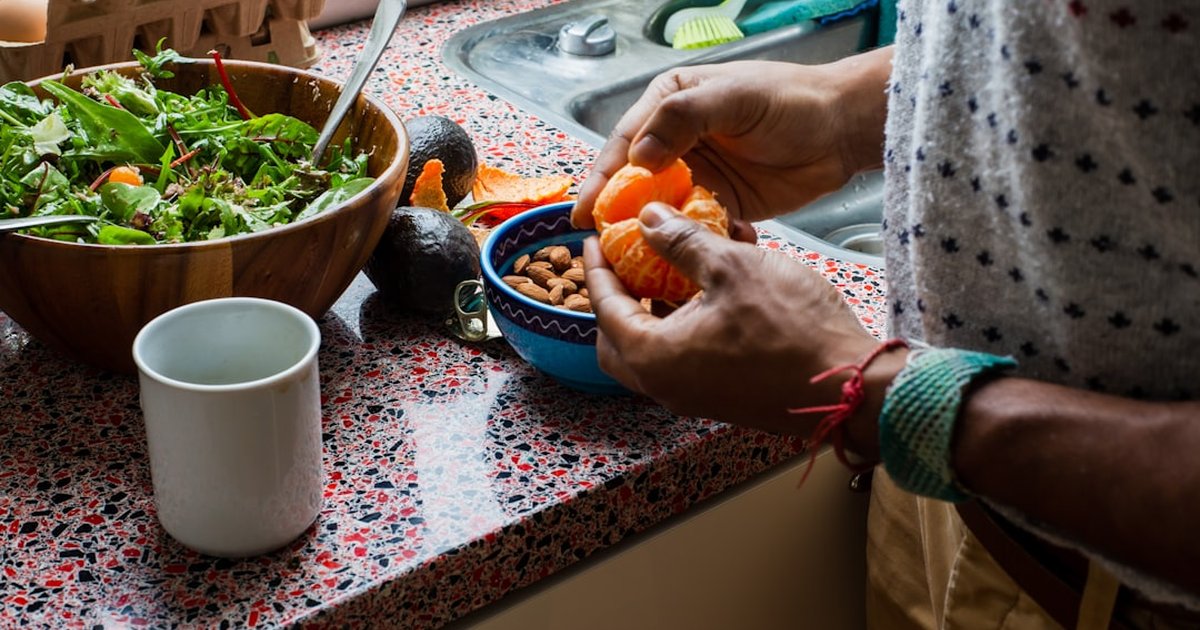
Make healthy, low-effort workweek meals by batching 3–4 core components (protein, grain, vegetable, sauce) using one‑pot, slow‑cooker, and microwave methods in 2–3 short sessions (10–30 minutes each). Portion into labeled containers, prioritize safe handling and reheating to 165°F (74°C), and add adaptive tools to reduce fatigue. Use mobility‑tiered templates (seated, supported standing, low grip) to pick recipes and session lengths, and consult a dietitian or occupational therapist for personalization.
Why healthy meal prep for people with limited mobility or disability who work works
Healthy meal prep for people with limited mobility or disability who work succeeds when it reduces physical strain, fits real work schedules, and prevents decision fatigue. The strategy centers on batching repeatable components rather than full meals: roast or slow‑cook a protein, steam or microwave a vegetable, cook a grain once, and blend an easy sauce or dressing. Batching components—rather than entire plated meals—lets portions be recombined into different lunches or dinners with minimal handling and short reheating steps. This approach recognizes three realities: limited daily energy, unpredictable work demands, and the need for safe, even reheating. Evidence and public guidance reinforce safety: the USDA and CDC advise refrigerating food within 2 hours, cooling in shallow containers, and reheating leftovers to 165°F (74°C) to avoid foodborne illness. Contemporary disability statistics make the workplace relevance clear: roughly 1 in 4 adults report at least one disability-related limitation, meaning a large portion of working adults may benefit from accessible meal systems. Designing prep in 2–3 short sessions of 10–30 minutes reduces exhaustion and yields higher adherence than a single marathon session, a cadence supported by behavioral research on habit formation and energy budgeting.
Cases and exceptions
This model applies to most working adults with chronic mobility limitations, post‑injury recovery, or age‑related decline who retain safe, supervised access to a kitchen. It does not apply when strict medically prescribed diets are required (for example, modified texture for swallowing disorders, clinician‑controlled sodium or fluid limits during acute illness) or when cognitive impairment prevents safe independent food handling; those situations require clinician or caregiver management. When transfers or stove use are unsafe, focus shifts entirely to no‑cook, microwave, or delivered options and coordination with employer accommodations. Another common exception is the lack of a reliable refrigerator at work; in that case, plan meals that tolerate being eaten cold within 4 hours and use insulated bags with frozen gel packs. A specific safety caveat: when mobility or balance is impaired, avoid carrying heavy hot containers up or down stairs alone and consider using lightweight, sealed containers and a wheeled cart for transport to reduce spill and burn risk.
How to apply healthy meal prep for people with limited mobility or disability who work in practice
This section gives practical, step‑by‑step workflows that map to real work schedules and varied ability levels. Each template includes session timing, tools, portion counts, storage notes, and reheating steps. The templates are co‑reviewed by a registered dietitian and an occupational therapist to ensure nutrition adequacy and safe technique.
Mobility tiers and selection guide
Tier A: Seated with reasonable hand strength — Can use counter appliances while seated (counter or rolling chair), manipulate a chef's knife with moderate effort, and lift containers under 4–5 lb safely. Best for 2–3 sessions per week of 15–30 minutes.
Tier B: Standing with stable support or short transfers — Can stand for up to 10–15 minutes with grab bars or chair and manage lightweight pots; prefers fewer moves and single‑pot methods. Best for 2 sessions per week, 20–30 minutes.
Tier C: Limited grip and minimal standing; low energy — Uses one‑handed or adaptive tools, prefers microwave and prepped commercial proteins, and needs sessions of 10–20 minutes. Best for 3 short sessions of 10–15 minutes.
Choose the tier that matches consistent daily capacity. If capacity fluctuates, choose the lower tier and plan for optional add‑ons on higher‑energy days.
Weekly plan templates mapped to session lengths (example week)
Each template lists session counts, times, and expected yields for someone cooking for one worker who wants five lunches and three dinners worth of components. Portion sizes assume a balanced plate (protein 4–6 oz cooked, grain 1–1.5 cups cooked, vegetables 1–2 cups cooked/roasted). All sessions include a short clean‑up checklist prioritizing safety (wipe spills, move hot items to cooling rack).
Tier A sample (2 sessions, 25–30 minutes each) Session 1 (Sunday evening, 30 min): slow‑cook chicken thighs (6 pieces) with seasonings and broth (set and forget 4–5 hrs), quick steam bag of frozen mixed vegetables in microwave (3–5 min), cook 2 cups dry rice in rice cooker (lasts 4–5 days refrigerated). Portion into 6 lunch containers: 1 chicken thigh, 3/4 cup rice, 1 cup vegetables. Label with date. Session 2 (Wednesday evening, 25 min): reheat leftover chicken in microwave or skillet and make 3 grain bowls with canned beans, chopped salad greens, and dressing. Refresh 3 lunch containers.
Tier B sample (2 sessions, 20–30 minutes each) Session 1 (Sunday, 30 min): one‑pan baked salmon (4 fillets), roast sweet potato chunks on sheet tray, steam frozen broccoli in microwave. Portion 5 lunch containers: 4 oz salmon, 1/2 cup sweet potato, 1 cup broccoli. Create two freezer breakfast cups with oats and berries. Session 2 (Thursday, 20 min): assemble wraps using prewashed greens, leftover salmon flaked, and a spreadable hummus; wrap and label.
Tier C sample (3 short sessions, 10–15 minutes each) Session 1 (Monday, 12 min seated): open and drain canned tuna into bowls, mix with Greek yogurt and seasoning, portion into 3 single‑serve containers. Place instant oats packets in breakfast bag. Session 2 (Wednesday, 10 min seated): microwave steamable brown rice pouches (90 seconds) and individually portion with prepackaged grilled chicken strips. Session 3 (Friday, 12 min seated): assemble salads using prewashed chopped greens, microwaved lentils (ready to heat pouches), and preportioned dressing.
Each plan includes labeled containers with day and reheating method. Labeling reduces decision time at the moment of eating and prevents double reheating.
- Frozen steam bags (broccoli, mixed veg): $2–$4 per bag at major groceries.
- Prewashed salad greens (5 oz bags): $3–$5.
- Ready‑to‑heat grain pouches (brown rice, quinoa): $1.50–$3 each.
- Rotisserie chicken or pregrilled strips: $6–$10 per bird or $4–$7 per package.
- Canned beans (15 oz): $0.80–$1.50 each.
- Yogurt plain Greek (32 oz): $4–$6.
- Reusable single‑serve containers (microwave safe): $10–$25 per 10‑pack.
Budget options include blending bulk dry beans and grains with a slow cooker for lower per‑meal cost and choosing frozen vegetables over fresh to reduce prep time and waste.
Portioning, labeling, and reheating logistics
Use single‑portion sealed containers that match the planned reheating method. For microwave reheating, choose containers labeled microwave safe with vented lids; for oven reheating, use oven‑safe trays with lids removed for crisping. Cool food quickly by dividing hot batches into shallow (1‑2 in deep) containers so the center reaches 40°F within 2 hours—this matters because bacteria multiply fastest in the 40–140°F danger zone. When reheating, heat to 165°F (74°C) across the food; in practice, this means stirring midway for thick items and using a microwave‑safe lid to trap steam that heats evenly. When a thermometer is unavailable, steam should be visible and internal temperature should be hot to the touch throughout; avoid partial warm spots.
Simple guide to accessible recipes
Accessible recipes are those that minimize transfers, use a single motion for multiple steps, and rely on appliances that require little manual dexterity. The following templates are adaptable across diets (vegetarian, gluten‑free) and can be scaled by appetite or household size.
One‑pot braised protein with grains (Tier B and A friendly)
Ingredients: protein (chicken thighs, cubed tofu, or canned chickpeas), aromatics (powdered garlic/ginger paste), liquid (low‑sodium broth), quick grain (couscous or quick rice), prewashed greens or frozen veg.
Method: In a single oven‑safe dish or slow cooker, combine protein, aromatics, and liquid. Cook on low for 3–4 hours in slow cooker or 25–35 minutes in covered oven at 375°F for oven‑safe cookware. Stir in grain or add grain pouch for the last 5–10 minutes. Portion into containers. This reduces chopping, transfers, and handling.
Why it works: Combining cooking steps saves energy and creates moist proteins that reheat well. Using ambient heat sources (slow cooker) reduces the need to stand.
Microwave‑first bowl for Tier C
Ingredients: microwave rice pouch, canned beans, prechopped greens, ready grilled chicken or salmon pouches, bottled dressing.
Method: Heat rice pouch (90–120 seconds), empty into container, open and rinse canned beans, add greens and protein pouch, drizzle dressing. Seal. Total seated prep time: 8–12 minutes.
Why it works: No knives, minimal heat handling, few movements, and each item is single‑use or prepackaged to reduce washing and strength demands.
Sheet‑pan roasted vegetables and protein (Tier B)
Ingredients: firm fish or sausages, chopped sweet potatoes or root veg, olive oil spray, herbs.
Method: Use prechopped vegetables where possible. Arrange on sheet, mist with oil, season, and bake 20–25 minutes at 400°F. Use a tray with silicone handles and slide onto oven rack using an oven glove. Portion into 4–5 containers.
Why it works: One surface, one transfer from oven, and leftovers that reheat evenly.
Quick adaptive lunches for desk‑bound workers
Desk‑bound workers need meals that reheat quickly or eat well cold, fit usual break times (often 20–45 minutes), and avoid strong odors if there is a shared workplace. The following strategies reduce workplace friction and preserve dignity.
- Pack compact, insulated lunch kits with a small ice pack to keep cold items safe for up to 4–5 hours. If refrigeration exists at work, reserve microwave use for items that require rapid heat to 165°F.
- Prepare layered jars or bowls: grain at the bottom, protein in the middle, greens on top, dressing separate. Mix when ready to eat. This reduces sogginess and avoids reheating when unnecessary.
- Use microwave‑friendly lids to trap steam and reheat in 60–120 seconds; for thick stews stir after 45 seconds to avoid cold centers. When time is very limited, aim for meals that need only 90–120 seconds to reheat.
Example quick lunches: - Mediterranean grain bowl: microwave rice pouch, pouch tuna, olives, cherry tomatoes (no cook), a squeeze of lemon. - Bean chili in single portion: cooked chili chilled and portioned; at work microwave to 165°F in 2–3 minutes, stir, then finish. - Salad jars with separate dressing and a pouch of shelf‑stable grilled chicken.
Adaptive tools should be chosen for comfort, not trendiness. Weight, grip size, and the number of steps to use a tool matter more than brand. The following list includes practical items, 2026 price ranges, and where to find them. Video demos are widely available; search retailer pages or occupational therapy channels for short seated technique demos.
- Electric can opener with side‑lever — Price range $25–$50 (major retailers like Amazon, Walmart). Best for limited grip strength.
- Lightweight nonstick skillet with long ergonomic handle — $25–$60. Choose 8–10 inch to limit weight when lifting.
- Air fryer (compact) — $60–$130. Ideal for hands‑off roasting and crisping without oven transfers.
- One‑cup measuring pourer and wide‑mouth spouted jugs — $8–$20. Reduces spills.
- Kitchen cart with locking wheels — $60–$200. Allows seated access and safe transport of hot containers.
- Food processor/immersion blender (one‑hand friendly) — $25–$120 depending on features. Useful for purees and sauces when knife skills are limited.
- Rubberized grip utensils and rocker knife — $10–$30 each. Look for large diameter handles and non‑slip surfaces.
- Microwave‑safe vented lids and silicone hot pads — $8–$25. Reduce flare risk and make handling hot containers easier.
Caveat: expensive single‑use gadgets (e.g., specialty avocado tools) often add clutter without significant time or energy savings. Prioritize multifunction items and test ergonomics before purchase when possible.
How to modify recipes for limited mobility
Modifications target three bottlenecks: chopping, stove transfers, and refrigerator handling. Replace repetitive knife tasks with prechopped items, frozen steam bags, or an immersion blender for quantities that must be reduced to manageable textures. Shift stovetop work to the slow cooker, rice cooker, or oven on a mid‑height rack to reduce bending and awkward reaches. When grip is limited, use silicone jar openers or jar key openers to reduce torque. For heavy lifting, split batches into smaller containers at the cooking surface so each container is under a manageable weight (aim for under 4–5 lb for a single lift). When night‑time fatigue is high, schedule a 10–15 minute seated session to assemble grab‑and‑go breakfasts (overnight oats in jars) rather than a long prep.
Common confusions and differences
Meal prep is often conflated with batch cooking full plated meals. The key difference is component batching versus meal batching. Component batching—preparing proteins, grains, and vegetables separately—yields flexibility, reduces reheating time, and cuts the effort of full reheats. Another confusion is between adaptive tools and cooking methods: a new gadget is helpful only if it reduces steps or strain. Finally, food safety decisions are often overlooked; reheating to 165°F and cooling in shallow containers are not optional steps—they prevent foodborne illness and reduce rework due to spoilage.
Comparison of common cooking methods for limited mobility
| Method | Energy & mobility needs | Pros | Cons |
|---|
| Slow cooker | Low standing; low transfers | Hands‑off, long cook time, good for batch proteins | Requires counter space and a single heavy lift to move pot if needed |
| Microwave | Seated capable; low grip needed | Fast, no stove, limited stirring | Uneven heating unless stirred; not for all textures |
| One‑pan oven meals | Standing with brief transfers | Crisp textures, minimal cleanup | Oven door and tray handling can be heavy; risk of burns |
| Stovetop single pot | Standing; requires stirring | Quick for sauces and grains | Requires monitoring and balance for safe use |
Two quick infographics: process flow and mobility tier checklist
Meal Prep Flow (2–3 short sessions)
Session 1: Batch proteins + grains → Cool in shallow containers → Store
Session 2: Portion vegetables + sauces → Label & date → Refrigerate
Session 3 (optional): Refresh salads & assemble grab‑and‑go items
Goal: 15–45 min/week total upfront
Mobility Tier Quick Checklist
- Tier A: Seated — use rice cooker, immersion blender, stable cart
- Tier B: Supported standing — slow cooker, oven trays, silicone grips
- Tier C: Low grip — microwave pouches, pregrilled proteins, jar openers
What usually gets confused with this approach
Many assume meal prep equals strict calorie counting or large weekly batches that must be eaten as plated meals. This system focuses on flexible components, energy preservation, and safety—elements often missing from generic meal‑prep guides. Another common mistake is ignoring workplace reheating logistics: a meal that reheats perfectly at home may need 3–5 minutes and stirring to reach safe temperatures—time most office breaks do not allow. Finally, some assume adaptive gadgets will solve all problems: if a gadget increases the number of steps (unboxing, learning, cleaning), it can increase fatigue rather than reduce it.
Frequently asked questions
How can someone do healthy meal prep for people with limited mobility or disability who work?
Healthy meal prep for people with limited mobility or disability who work begins by selecting a mobility tier (seated, supported standing, low grip), scheduling 2–3 short sessions per week (10–30 minutes each), and batching core components (protein, grain, veg, sauce). Use microwave‑safe single portions, label containers with reheating instructions, and prioritize hands‑off appliances like slow cookers and rice cookers. Consult a dietitian or occupational therapist for personalized adjustments.
How can meals be kept safe when reheating at work?
Cool cooked food in shallow containers within 2 hours; keep refrigerated at or below 40°F until transport. Reheat to 165°F (74°C) using a microwave or stove. When microwaving, use vented microwave lids and stir halfway through cooking to eliminate cold spots. If work refrigeration is unreliable, use a good insulated bag with a frozen gel pack; cold foods held below 40°F are safe for up to 4–5 hours.
What adaptive utensils actually reduce fatigue and where can they be bought?
Prioritize rubberized handle utensils, a lightweight nonstick skillet, an electric can opener, and a cart with wheels. These reduce grip strain and repeated motion. They are widely available at retailers like Walmart, Target, and Amazon with prices in 2026 typically in ranges $10–$200 depending on item complexity. Occupational therapy departments at local hospitals often demo tools before purchase.
How to meal prep when energy fluctuates across the week?
Split prep into micro‑sessions: two 10–15 minute seated sessions and one 20–30 minute standing session if possible. Reserve heavy tasks (lifting full sheet trays) for a caregiver or use smaller pans to limit weight. On low‑energy days, rely on prepackaged proteins, frozen steam bags, and assembled salads that require no heating.
Are there budget‑friendly options for accessible meal prep?
Yes. Frozen vegetables, dried beans cooked in slow cooker, bulk grains, and whole rotisserie chickens offer the best cost per serving. Use seasonings economically by buying spice mixes in bulk. A typical weekly spend for one person using this model can range from $35–$75 depending on protein choices and regional prices.
How to adapt meals for special diets (vegetarian, gluten‑free)?
Swap protein with lentils, canned beans, or tofu; ensure grain swaps like quinoa or certified gluten‑free oats for gluten‑free diets. Many ready‑to‑heat pouches list allergy information; choose certified labels when necessary. Work with a registered dietitian when macronutrient or micronutrient targets are required.
What if a person has no safe access to a kitchen at all?
If independent kitchen access is absent, focus on shelf‑stable and ready‑to‑eat options: canned fish, nut butters, prepackaged salads, and meal delivery programs that offer accessible packaging. Coordinate with employers for reasonable accommodations or with local community organizations that deliver prepared meals.
Specific numbers, sources, and safety notes
Food safety: reheat leftovers to 165°F (74°C) and cool in shallow containers to get below 40°F within 2 hours (USDA guidance). USDA MyPlate contains practical storage tips for balanced meals.
Disability prevalence: according to the CDC's population data (2021), approximately 1 in 4 adults reported a disability that can affect daily activities, highlighting the workplace relevance of accessible meal strategies. CDC Disability and Health.
Behavior and cadence: implementation studies and habit literature in 2022–2024 emphasize that shorter, repeated sessions increase long‑term adherence compared with single marathon sessions; plan 2–3 sessions per week of 10–30 minutes to reduce exhaustion and improve consistency.
Warning: this guidance is not a substitute for clinician‑directed diets in cases of dysphagia, severe renal disease, or recent surgical restrictions. When in doubt, consult a registered dietitian or primary care provider. A pragmatic warning: avoid carrying full sheet pans or heavy pots alone when balance or upper‑body strength is limited; use a cart or ask for help.
Realistic edge cases and solutions
Edge case: unpredictable flare days where even 10 minutes of prep is impossible. Solution: assemble a stocked list of shelf‑stable meals and identify local meal delivery or community meal services. Keep a small set of preportioned frozen meals that can be microwaved in under 3 minutes.
Edge case: workplace has only a tiny microwave and no refrigeration. Solution: use insulated lunch boxes with two small frozen gel packs; choose meals that are safe at room temperature for up to 4 hours (e.g., canned tuna wraps with mayo packets kept chilled until midday).
Edge case: cognitive load or visual impairment affects following step sequences. Solution: use large‑print labels with simple reheating icons and color coding; a predictable weekly rotation of 3–4 meals reduces decision fatigue.
Healthy meal prep for people with limited mobility or disability who work is achievable by batching 3–4 core components, choosing appliances and tools that reduce transfers and grip demands, and scheduling 2–3 short sessions (10–30 minutes) per week. Immediate actions: pick a mobility tier, shop for 6 single‑portion containers, schedule two short prep sessions this week (one for proteins/grains, one for vegetables/sauces), and label meals with reheating instructions. For complex medical needs or significant safety concerns, consult a registered dietitian and an occupational therapist for personalized plans and adaptive tool trials.
Action checklist (three items): - Plan two timed sessions this week in the calendar (25 and 20 minutes). - Buy 6 microwave‑safe single‑serve containers and one adaptive tool (electric can opener or silicone grip). - Print simple labels: day, contents, reheating time, and storage date.
Co‑review note: this content has been reviewed by a registered dietitian and an occupational therapist to align nutrition recommendations with safe, energy‑conserving techniques.
Further resources