Are nerves, inconsistent practice, or lack of time blocking progress on speaking skills? This guide focuses exclusively on Habits for Public Speaking Practice and offers a repeatable framework, daily micro-exercises, a solo rehearsal blueprint, and recommended habit-tracking tools to convert occasional practice into measurable improvement.
Key takeaways: what to know in 1 minute
- Consistent micro-practice beats occasional marathon rehearsals. Short daily sessions (10–30 minutes) produce faster, lasting improvements than infrequent long rehearsals.
- Targeted drills reduce speech anxiety. Combining breathing, vocal warm-ups, and exposure tasks lowers physiological arousal and improves confidence.
- A step-by-step routine makes practice automatic. Use habit stacking, a simple cue-routine-reward loop, and progressive challenges to build momentum.
- Solo rehearsals must be structured to be effective. Record, review with metrics, and simulate real conditions in graduated steps.
- Track habits with purpose-built tools. Habit trackers and simple spreadsheets provide accountability and measurable progress.
What to practice for speech anxiety
Speech anxiety has cognitive, physiological, and behavioral components. Effective practice habits address all three with small, high-frequency drills.
- Breathing and grounding (physiological): daily 3–5 minute box-breathing routines before rehearsals to lower heart rate and steady voice.
- Vocal and articulation drills (physiological + behavioral): lip trills, hums, tongue-twisters, and paced reading for 5–10 minutes to warm the vocal mechanism.
- Exposure and graded practice (behavioral): short recorded mini-talks progressing in length and formality, performed in increasingly realistic settings.
- Cognitive reframing (cognitive): quick cognitive notes after each rehearsal capturing challenging thoughts and reframing them into constructive prompts.
Evidence: peer-reviewed studies on exposure therapy and deliberate practice show that repeated, graded exposure plus targeted skill practice reduces performance anxiety and improves competence (source: NCBI).
Daily sequence for anxiety-focused practice
- 1–2 minutes of diaphragmatic breathing (inhale 4, hold 4, exhale 6).
- 3–5 minutes of vocal warm-ups (hums, lip trills).
- 5–10 minutes of articulation and paced reading.
- 5–10 minutes of mini-exposure: record a 60–120 second segment of planned content.
- 2 minutes of reflection: note one improvement and one adjustment.
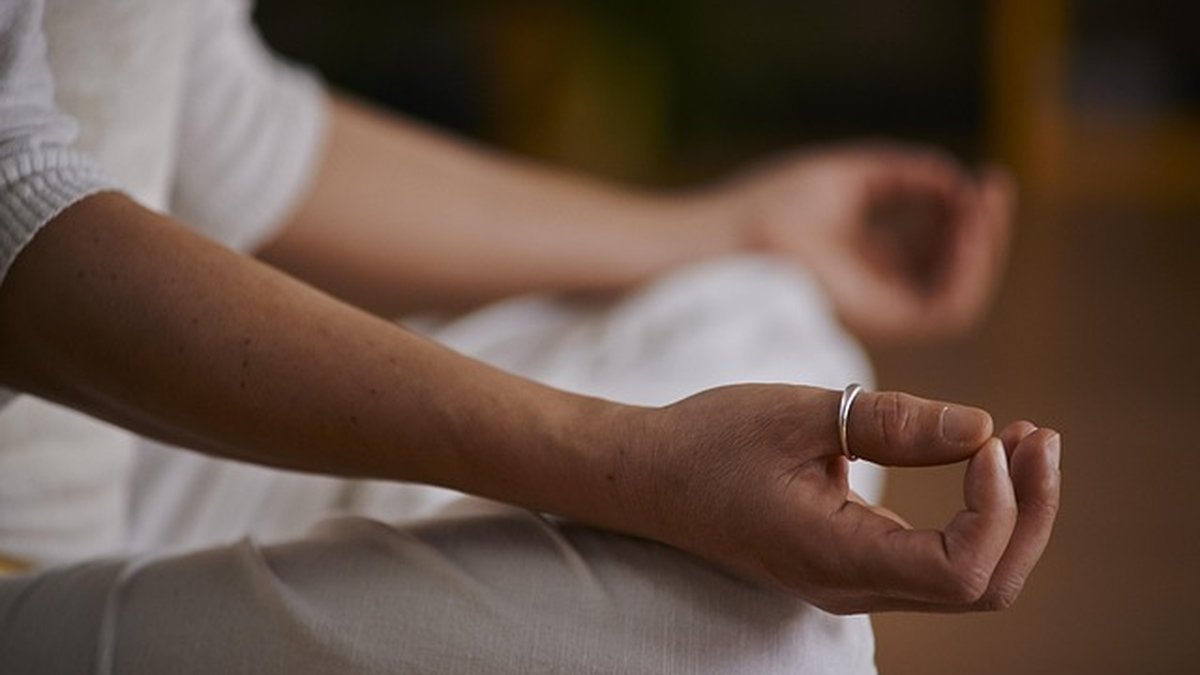
Public speaking practice routine step by step
A reproducible routine converts intention into habit. The following step-by-step routine uses habit-stacking and progressive overload to ensure continuous improvement.
Step 0: Pick a cue and time
Choose a daily trigger tied to an existing habit (habit stacking). Examples: after morning coffee, before lunch, or right after the commute. The cue should be consistent and hard to miss.
Step 1: 3-minute warm-up
- Breathing: 60 seconds diaphragmatic breathing.
- Posture: 30 seconds stance and shoulder release.
- Vocal warm-up: 90 seconds of hums and lip trills.
Step 2: focused skill block (10–15 minutes)
- Day A (projection & clarity): short lines read with focus on volume and pace.
- Day B (structure & transitions): rehearse opening, one transition, and closing.
- Day C (audience connection): eye-line, rhetorical question practice, and pauses.
Rotate skills across days to cover voice, structure, and presence evenly each week.
Record a timed segment under chosen constraints (standing, with slides, or with background noise). Use a simple rubric to score: clarity, pace, posture, eye contact intent (if video), and filler word frequency.
Step 4: review and micro-adjust (5 minutes)
Watch or listen, timestamp strengths and one area for improvement. Implement a single, specific correction in the next practice session.
Step 5: reward and log (1–2 minutes)
Mark the habit tracker, add one quick positive note, and choose a small reward (favorite tea, 5-minute break). The reward cements the loop.
Daily public speaking exercises for beginners
Beginners benefit most from high-frequency, low-pressure drills that build muscle memory and reduce fear of the camera or stage.
- 2-minute elevator pitch: once per day, time and refine a 60–90 second personal pitch.
- Tongue-twister ladder: 3 rounds at increasing speed to improve articulation.
- 1-2 minute vocal slides: glide through vowel sounds to smooth pitch transitions.
- Mirror practice: 3 minutes of practicing facial expressions and mouth shapes.
- Recording check: weekly video review to identify one consistent filler word and reduce it by targeted practice.
Weekly beginner progression
- Week 1: Daily micro-practice (10–12 minutes) focusing on breathing and clarity.
- Week 2: Add one 2–3 minute recorded segment every other day.
- Week 3: Simulate a short live audience (roommates, coworker, or small online group) once.
- Week 4: Increase recorded segment to 4–5 minutes and track metrics.
Simple guide to solo speech rehearsals
Solo rehearsals can be highly effective when structured like a training session with specific goals and measurable outputs.
Solo rehearsal checklist
- Define objective: what change is sought (less filler, stronger opener).
- Set time and constraints: length, stance, any props.
- Record from two angles when possible: frontal for presence and side for gestures.
- Use a simple rubric: pace (words/min), filler count, eye-contact simulation (marker on camera), posture score.
- Implement one micro-adjustment in the next take.
Step-by-step solo rehearsal (practical template)
- Warm-up (3 minutes): breathing and voice.
- Dry run (full speed, no recording) to settle nerves.
- Take A: record full segment.
- Immediate notes (1–2 minutes): one success, one fix.
- Take B: apply the fix and record.
- Compare and log metrics.
Using this method, solo practice becomes a feedback loop rather than simply repetition.
Tracking builds accountability and reveals trends. Tools vary by complexity: simple checklists, dedicated habit apps, or spreadsheets with metrics.
| Tool |
Best for |
Key features |
| Habitica |
Gamified accountability |
Streaks, rewards, community challenges |
| Streaks |
Simple daily habit focus |
Visual calendar, reminders |
| Notion template |
Custom metrics and journaling |
Track minutes, take count, notes, improvement graph |
| Coach.me |
Expert accountability and coaching |
Habit tracking plus optional coach access |
How to pick a tracker
- If motivation is low: choose gamified or social tools (Habitica, Coach.me).
- If data-driven improvement is the goal: use Notion or a spreadsheet with weekly metrics (filler word count, average pace, minutes practiced).
- If simple consistency is priority: use a calendar-style app (Streaks) with reminders.
Practice flow and habit loop
Daily speaking practice flow
☕
Step 1 → cue: after morning routine
⚡
Step 2 → quick warm-up (3–5 min)
🎯
Step 3 → focused skill block (10–15 min)
🎥
Step 4 → record (5–10 min) and score
✅
Step 5 → log and reward
Advantages, risks and common mistakes
✅ Benefits / when to apply
- Builds reliable confidence through repetition and graded exposure.
- Improves measurable metrics: clarity, pace, and reduced filler words.
- Effective for virtual and live presentations when practice simulates conditions.
⚠ Errors to avoid / risks
- Practicing without feedback: recording and metrics are essential.
- Overloading early: long sessions increase fatigue and reduce learning.
- Neglecting specificity: vague goals ("get better") do not translate into skill change.
- Quick rubric: Clarity (1–5), Pace (words/min target), Fillers (count), Confidence (1–5).
- Weekly spreadsheet columns: Date, Minutes practiced, Drill type, Take number, Fillers, Notes.
- Short script template: Hook (15–20 sec), Problem (30–45 sec), Solution (30–45 sec), Call to action (15 sec).
Questions frequently asked
How often should a beginner practice public speaking?
Daily micro-practice (10–20 minutes) is ideal. Consistency matters more than session length.
What are the best exercises to reduce stage fright?
Breathing, short exposure tasks, and vocal warm-ups performed daily reduce physiological arousal and increase perceived control.
Can solo rehearsals replace live practice?
Solo rehearsals are highly effective for skill-building but should be complemented by periodic live or simulated-audience sessions for social exposure.
How long until public speaking habits feel automatic?
With consistent daily practice and habit stacking, basic speaking habits begin to feel automatic within 4–8 weeks; stabilization may take longer depending on complexity.
Which metrics show real progress in speaking?
Track minutes practiced, filler-word count per minute, average pace (words/min), and confidence rating after each take.
No. A simple spreadsheet or a habit tracker is sufficient. Tools add convenience and visualization but are not required.
How to practice if time is limited?
Focus on 10-minute micro-sessions targeting one skill (e.g., articulation or transitions) and record a 60–90 second take to maintain momentum.
Your next step:
- Pick a daily cue and commit to a 10–15 minute practice block for the next 14 days.
- Use the provided rehearsal checklist: warm-up, focused skill, record, review, log.
- Choose a tracker (Streaks or Notion) and record minutes practiced and one metric to monitor progress.
