Are daily commutes feel like lost hours? Many commuters watch minutes slip away without building skills, clearing their mind, or creating momentum for the workday. That frustration is common, but small structural changes transform a 20–60 minute ride into consistent, measurable progress.
Prepare to reclaim commuting time with a proven combination: targeted podcasts for auditory learning and microlearning microcourses for focused skill gains. This content provides actionable routines, time-filtered playlists, a step-by-step microlearning workflow, and a quick decision framework for when commute patterns change.
Key takeaways: commuter productivity with podcasts & microlearning in 60 seconds
- Use commute time deliberately. Treat each trip as a repeatable learning block: 5–60 minutes, tethered to an outcome.
- Match format to mode of transport. Podcasts excel when hands- and eyes-free; microcourses and text summaries work better on trains or walking with pause capability.
- Adopt a simple microlearning workflow. Choose objective → pick 5–20 min resource → set speed/notes → act on 1 microtask. Repeat daily for compounding gains.
- Keep playlists by duration and goal. Create morning motivation, skill sprint (10–20 min), and deep focus (30–60 min) lists with timestamps and learning goals.
- Switch when commute changes. If commute shortens, compress to micro-lessons and 1 actionable step; if it lengthens, layer a podcast episode + a microcourse module.
How to adapt commute routines simply and fast
Assessing the commute before designing routines reduces friction. Short checklist: mode, average duration, stability across the week, and safety constraints (driving vs. transit). Use those inputs to pick formats and target outcomes.
Assess mode and constraints
- Driving: eyes and hands occupied → audio-only content (podcasts, audio micro-lessons) only.
- Public transit (train, bus): opportunities for audio and short visual content; consider microcourses with subtitles, text summaries, flashcards.
- Walking/cycling: safe for audio and short reviews; avoid long notes.
Match outcome to duration
- 5–10 minutes: single concept microlearning (one idea, one flashcard, one micro-habit). Focus on retention and recall.
- 10–20 minutes: microcourse module or short podcast episode with one exercise at the end.
- 20–60 minutes: longer podcast episodes or stacked microcourses—use the extra time for reflection and an actionable plan.
- Use the commute start as a cue: headphones in = learning on. Keep a single, reachable app for content.
- Keep a one-line learning goal in the notes app for the week. It reinforces selection and retention.
What to do when commute time changes
Commuters face variable schedules: new job locations, hybrid workdays, transit strikes. A repeatable response prevents wasted minutes.
- If commute shortens (<10 minutes): switch to microlessons and a fast actionable task (one 60–90 second reflection or a single flashcard). Keep consistency over depth.
- If commute remains similar: keep the current playlist but compress or extend modules to fit typical windows.
- If commute lengthens (>30 minutes extra): layer learning, start with a 10–15 minute microcourse, follow with a podcast episode, end with planning 1 to-do related to the lesson.
Practical rules to keep progress
- Rule 1: Always end a commute learning block with one clear action for the day (email draft, practice task, two-minute experiment).
- Rule 2: Use bookmarks or timestamps to save the exact spot—this prevents starting over and reduces friction.
- Rule 3: Maintain a “carry-forward” list for partial lessons that need follow-up when time allows.
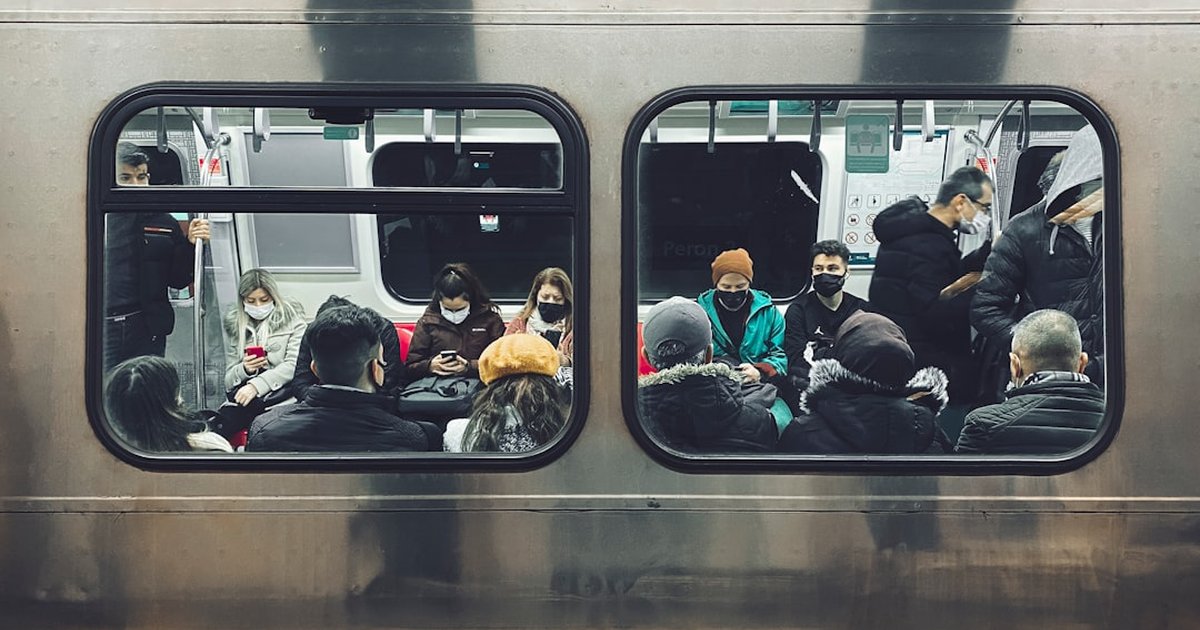
Commute microlearning workflow step by step
This section provides a repeatable HowTo workflow designed for commuters to convert time into micro-skill gains. Each step fits into 2–5 minutes between trips and is optimized for retention.
Step 1: choose one learning objective for the trip
Decide the single outcome: learn one concept, practice a micro-skill, or reflect on a decision. Keep objectives atomic and measurable (e.g., "learn one negotiation phrase," "summarize a chapter idea").
Select a resource matching the objective and available time. For 7–12 minutes, choose a microcourse module; for 15–30, select a focused podcast episode. If driving, pick audio-only modules.
- Speed: 1.25–1.5x works for most listeners without losing comprehension.
- Notes: use voice memos or a single-note app. Capture a one-line summary and one action.
Step 4: apply active recall and a microtask
At the end of the ride, spend 30–90 seconds recalling the main point and set a microtask (send a 1-line message, schedule a 10-minute follow-up, practice once).
Step 5: record progress and repeat
Mark completion in a simple tracker (calendar, habit app). Over time, 20–30 commutes become measurable competence.
commute microlearning workflow: 5 steps
🎯
Step 1 → Choose one objective (1 sentence)
⏱️
Step 2 → Pick format by duration (5–60 min)
🔊
Step 3 → Set speed and capture one note
🧠
Step 4 → Active recall + one microtask
✅
Step 5 → Log progress and repeat tomorrow
Podcasts for commuter productivity for beginners
Podcasts work best when they align with commute constraints: clear structure, focused episodes, and defined takeaways. Beginner-friendly shows combine storytelling with practical tips and usually offer 10–30 minute episodes ideal for daily rides.
How to choose beginner podcast episodes
- Look for episode durations that match the ride. Use RSS filters or playlist features.
- Prefer episodes with summaries or show notes to capture quick actions.
- Favor hosts with a clear structure (1 problem → 1 solution → 1 action).
Recommended podcast types and example shows
- Short productivity episodes (10–20 min): quick tips and tactical habits.
- Deep-dive episodes (30–60 min): skill modules, useful on long rides.
- Interview shows (20–40 min) with practical frameworks.
Examples (categorize by duration and learning objective):
- 5–15 min: morning motivation, micro-habits, daily productivity rituals.
- 15–30 min: tactical productivity techniques, book summaries, short interviews.
- 30–60 min: skill development series, serialized microcourses via podcast.
Microcourses vs podcasts for commuting productivity: a direct comparison
Below is a compact comparison to decide when to prefer a microcourse or a podcast during the commute.
| Criteria |
Microcourses |
Podcasts |
| Best for |
Skill retention, structured modules |
Context, motivation, storytelling |
| Typical duration |
5–20 minutes per module |
10–60 minutes per episode |
| Interaction |
Quizzes, checkpoints, notes |
Passive listening, reflective prompts |
| Best mode |
Transit, trains, walking (where visual attention is possible) |
Driving, walking, manual tasks |
When to prefer microcourses
- When aiming for measurable skill acquisition (language phrases, sales scripts, coding snippets).
- When transit allows short visual interaction or pausing.
When to prefer podcasts
- When driving or multitasking where eyes-free listening is essential.
- When the goal is inspiration, broad context, or long-form reasoning.
Practical playlists and episode planning
Create three commute playlists: quick sprints, skill sprints, and deep focus. Tag episodes with target action and ideal follow-up. Use app features like offline downloads and custom playback speed.
- Quick sprint (5–12 min): single idea + action. Use microcourses or short podcast segments.
- Skill sprint (12–25 min): one module + practice task.
- Deep focus (25–60 min): long episode + 10-minute reflection after arrival.
Recommended apps with microlearning features: Blinkist and Headway. Compare offline, note export, and playback speed when choosing.
Balance strategic: what to gain and what to watch for with commuter learning
When commuter learning is a high-impact choice ✅
- Regular, repeatable commute times (same window most days).
- Commutes long enough to allow at least one meaningful module (10+ minutes) or a sequence of micro-tasks.
- Clear weekly objectives that link commute learning to work deliverables or personal projects.
Warning signs and failure points ⚠️
- Overambitious goals (expecting to finish complex courses on short rides).
- No post-commute action—learning without application reduces retention.
- Too many apps and switching costs—creates friction that kills habit formation.
Practical comparison: app features that matter for commuters
| Feature |
Why it matters |
Commuter tip |
| Offline downloads |
Ensures access without signal |
Pre-download nightly |
| Playback speed |
Compress time, tune comprehension |
Use 1.25–1.5x for review |
| Exportable notes |
Captures actions and supports spaced repetition |
Send notes to calendar or task app |
Evidence that commute learning moves the needle
Short-format learning and spaced retrieval are supported by cognitive research. For retention, microlearning with active recall beats passive listening alone. For general commute patterns and population-level data, see labor and commuting resources from the U.S. Census and Bureau of Labor Statistics: U.S. Census commuting data and Bureau of Labor Statistics for trends that inform scheduling and realistic goal-setting.
Doubts and quick answers about commuter productivity
What others ask about commuter productivity: podcasts & microlearning for daily commute
How to pick between a podcast and a microcourse?
Pick based on safety and objective: podcasts for hands-free inspiration; microcourses for measurable skill steps and retention.
Why do microlearning sprints work better than long sessions?
Micro-sprints use spacing and retrieval, improving long-term retention and reducing cognitive overload in short commute windows.
What happens if the commute is unpredictable day to day?
Prioritize flexible micro-tasks (one flashcard, one short episode) and keep longer modules only for stable days.
How long should a daily commute learning habit take?
Aim for 10–20 minutes daily; consistent short exposure outperforms sporadic long sessions.
Which apps support note export and offline use?
Many microlearning apps offer offline downloads; examples: Blinkist, Headway. Verify note export in settings.
How to measure progress from commute learning?
Track microtasks completed and replicate one applied outcome per week (e.g., an email, a practiced pitch, a scheduled practice session).
Conclusion: long-term gains from short commute routines
Small, consistent commute routines compound. Over three months, a 15-minute daily microlearning habit plus two podcast episodes per week produces measurable improvements in knowledge, focus, and task execution. The key is pairing clear objectives with format-appropriate content and one post-commute microtask.
Quick start plan
- Choose one objective for the next five commutes and add it to a single note.
- Build two playlists: a 10–15 minute microcourse playlist and a 15–30 minute podcast playlist; pre-download tonight.
- After the next commute, capture one sentence of recall and schedule one 10-minute follow-up task.
